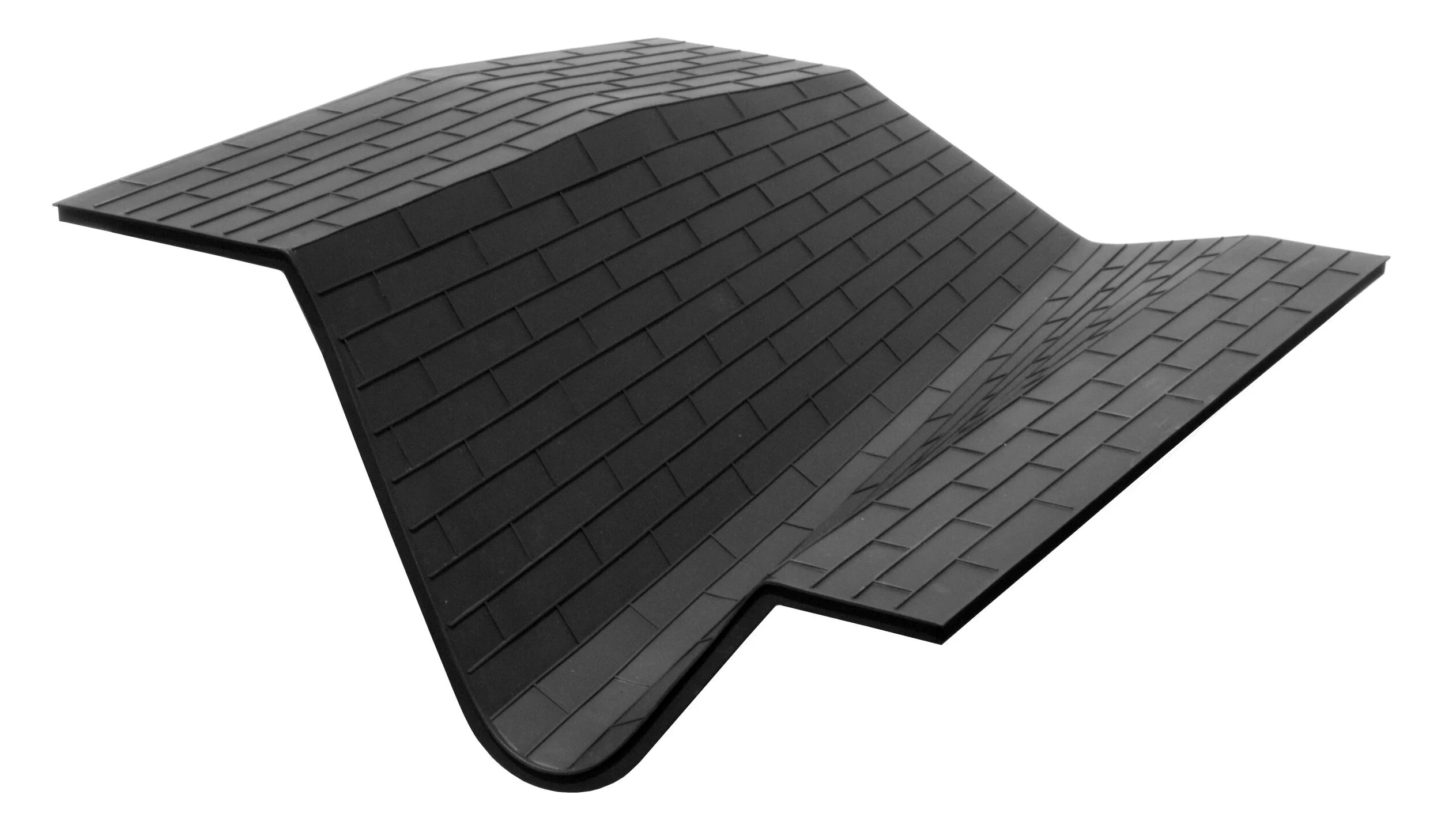
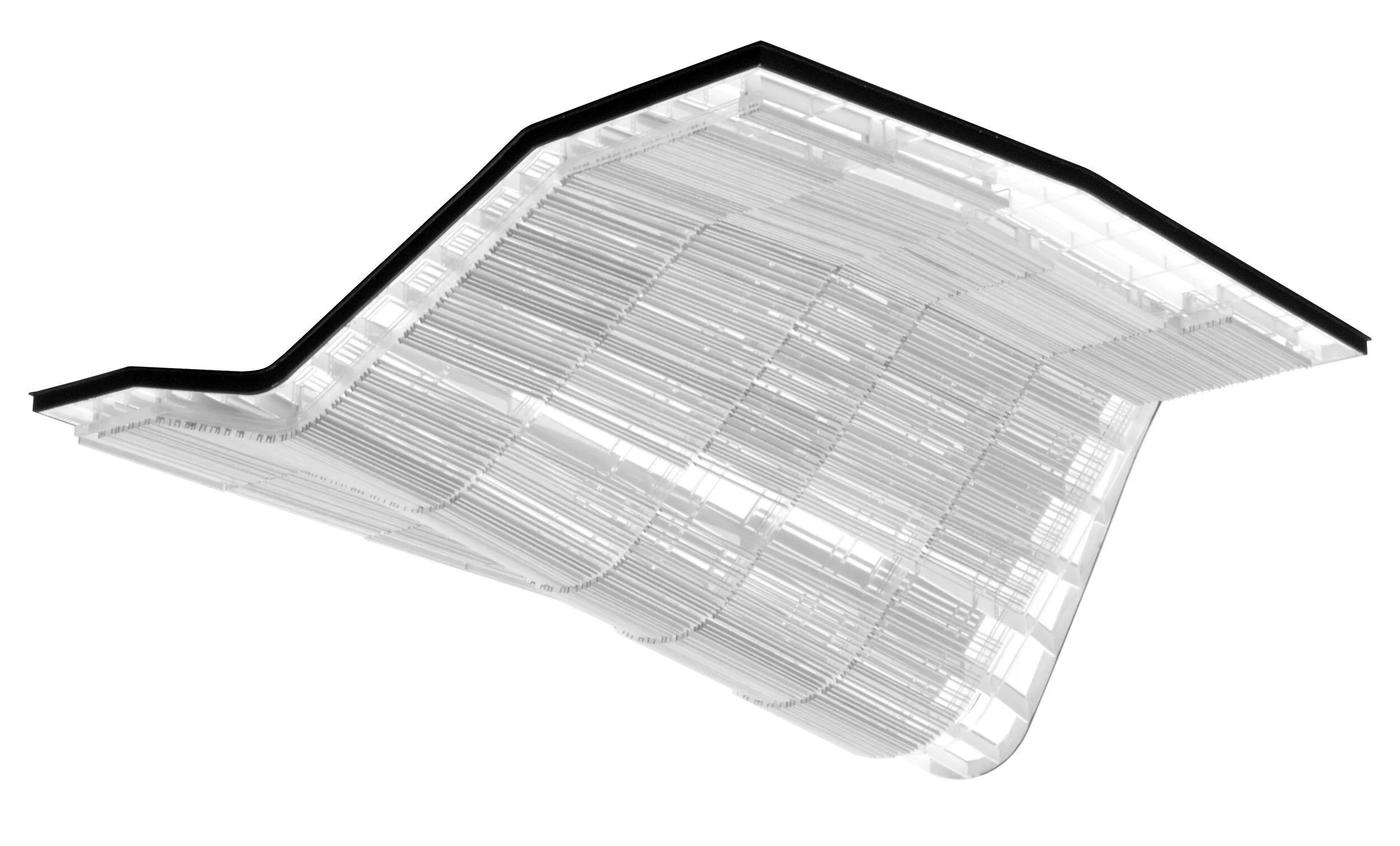
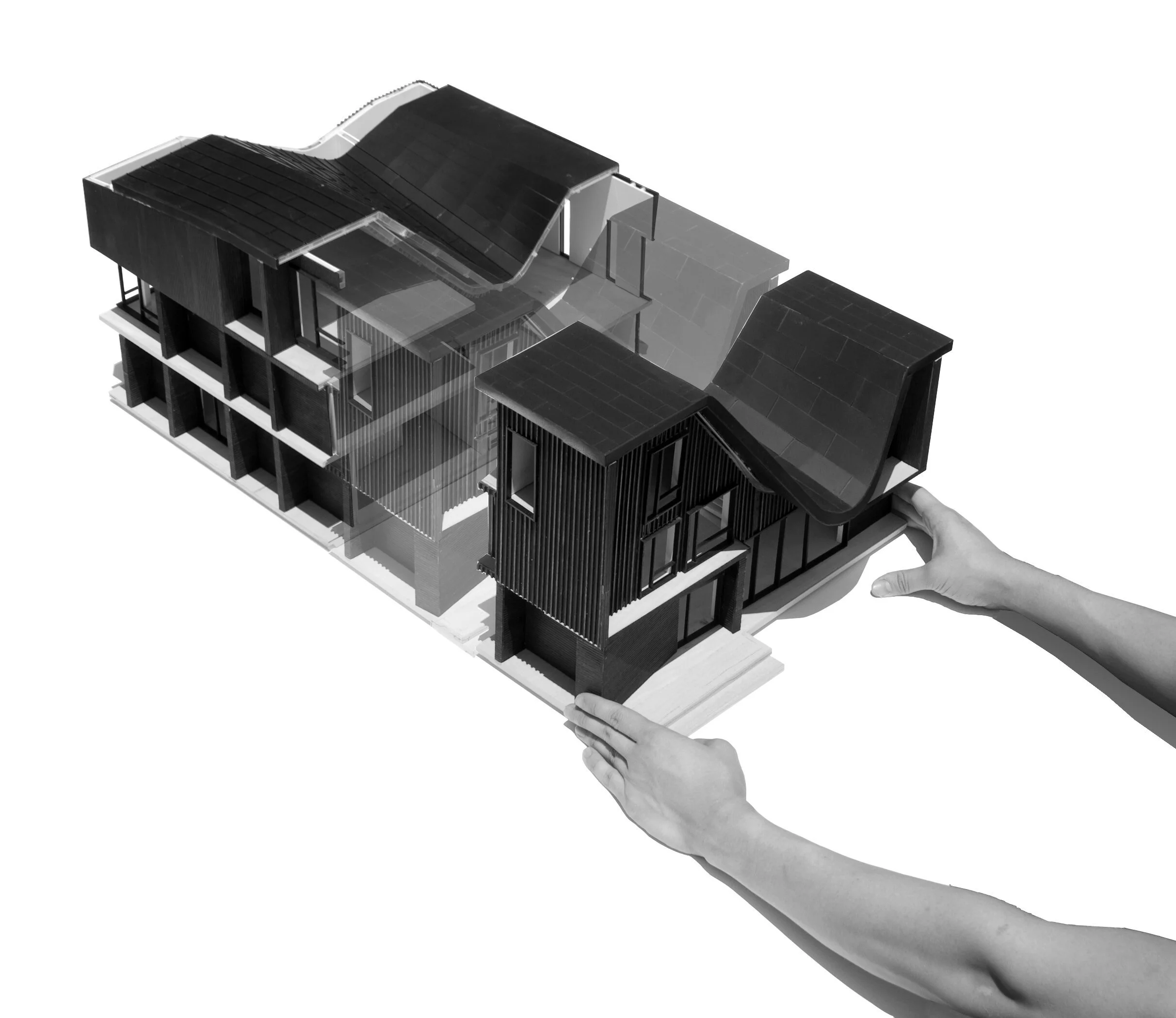
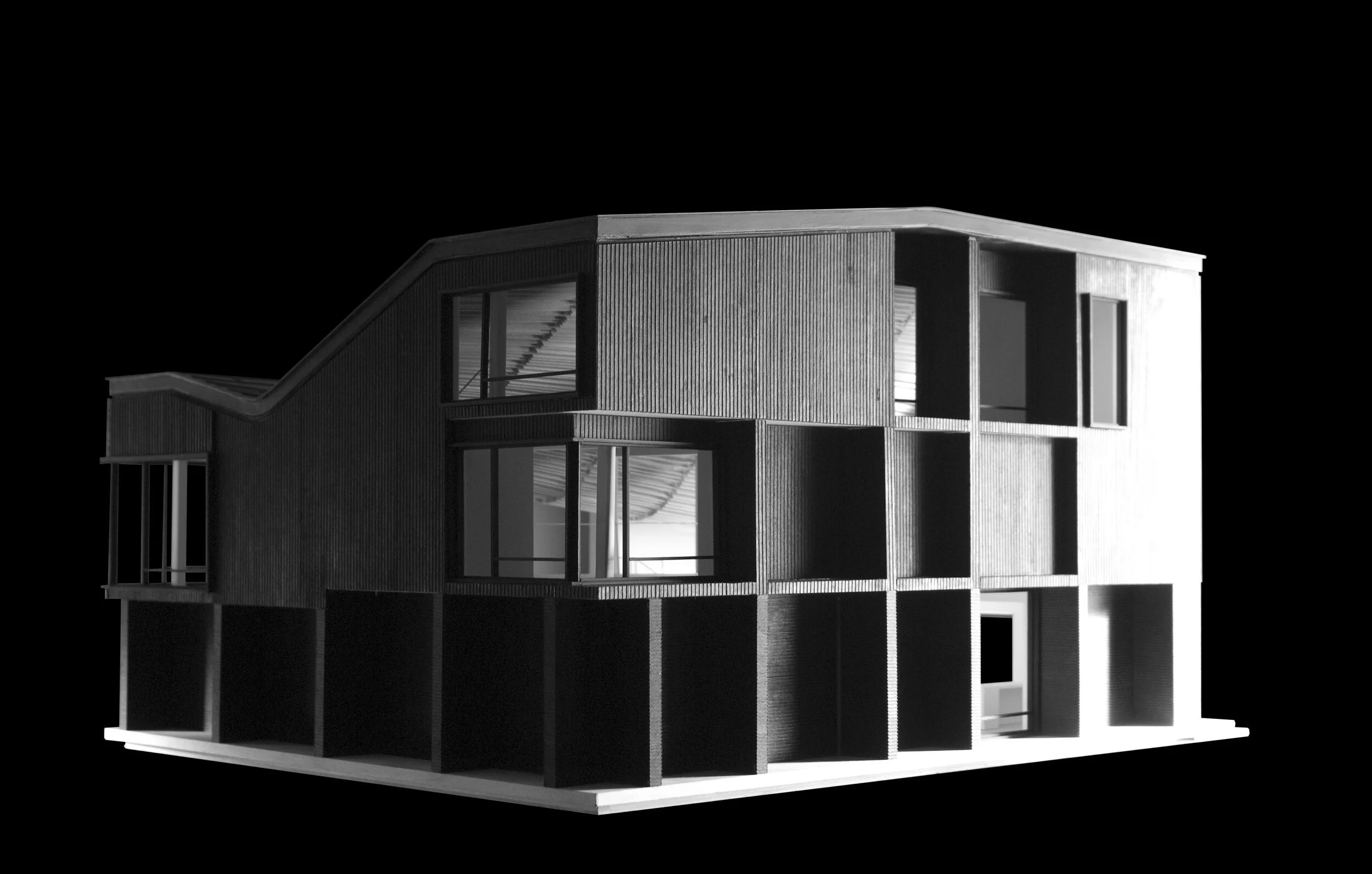
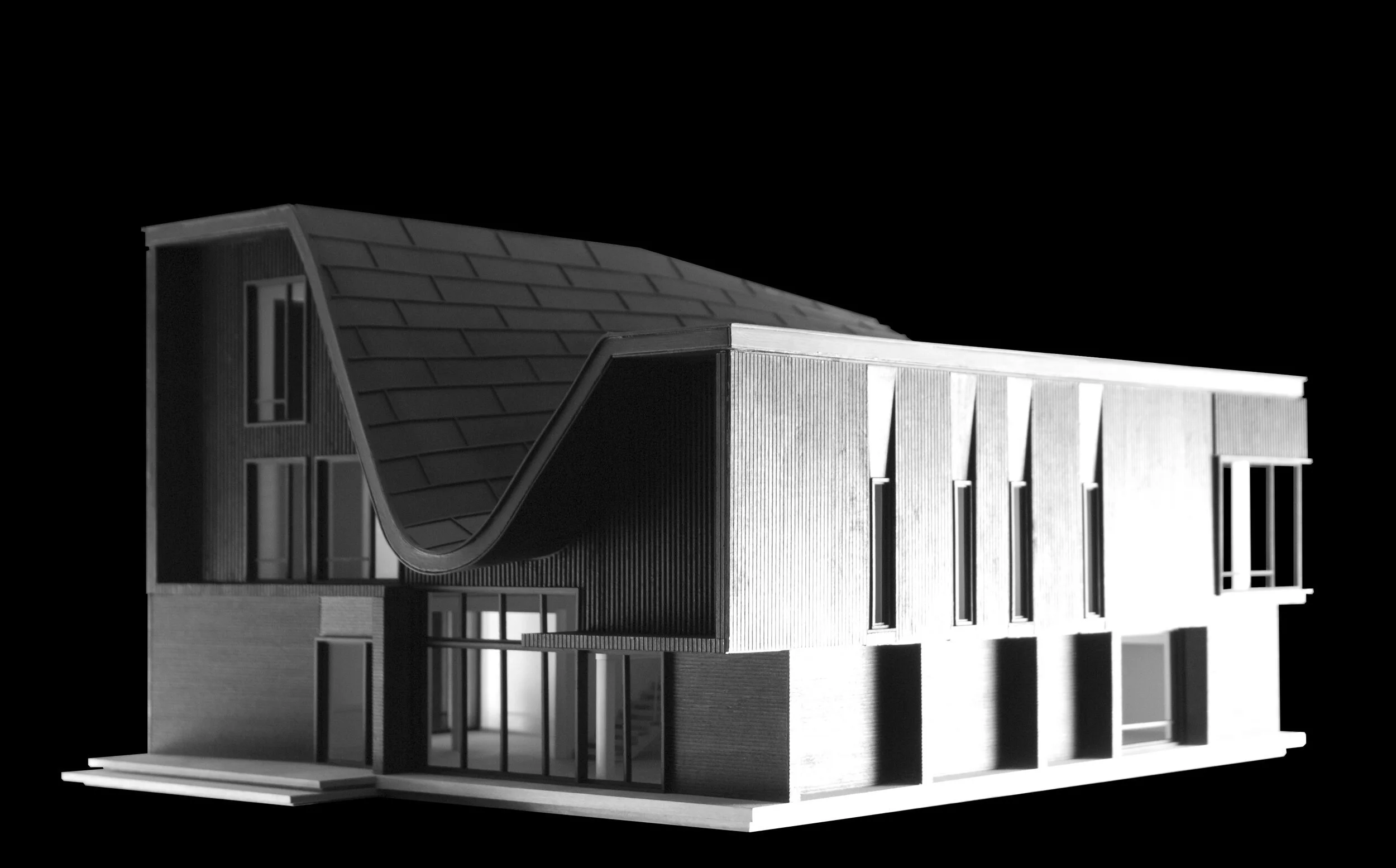
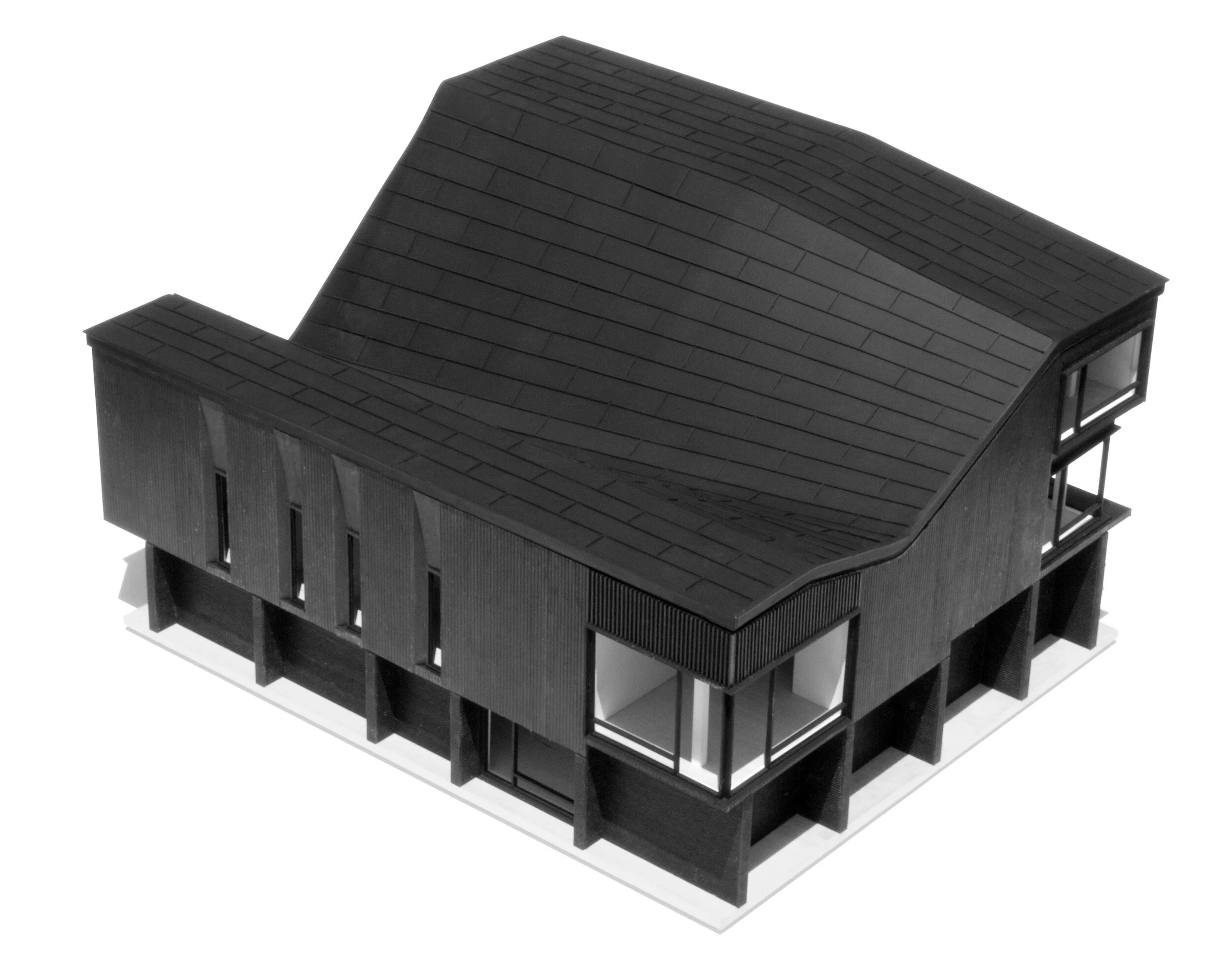
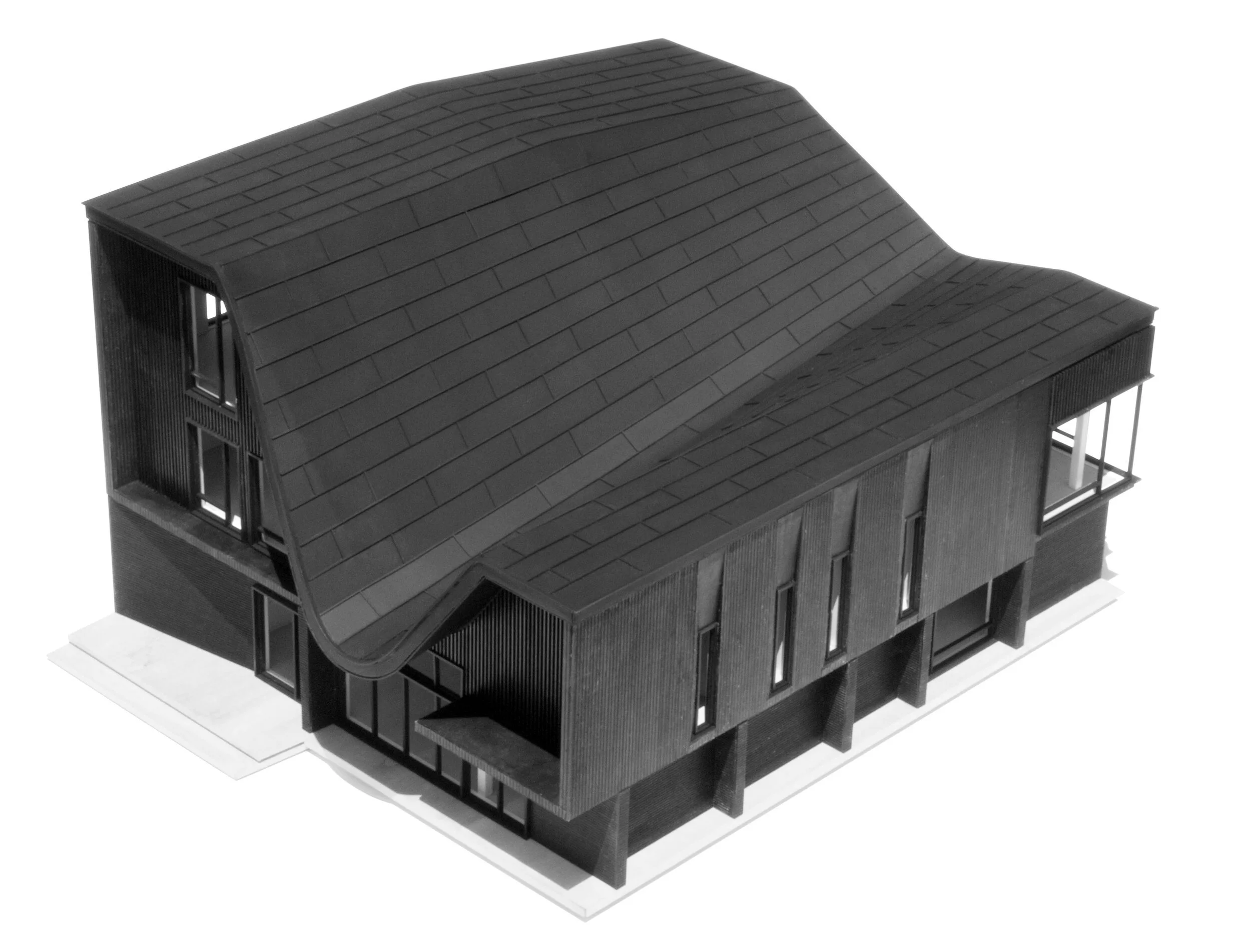
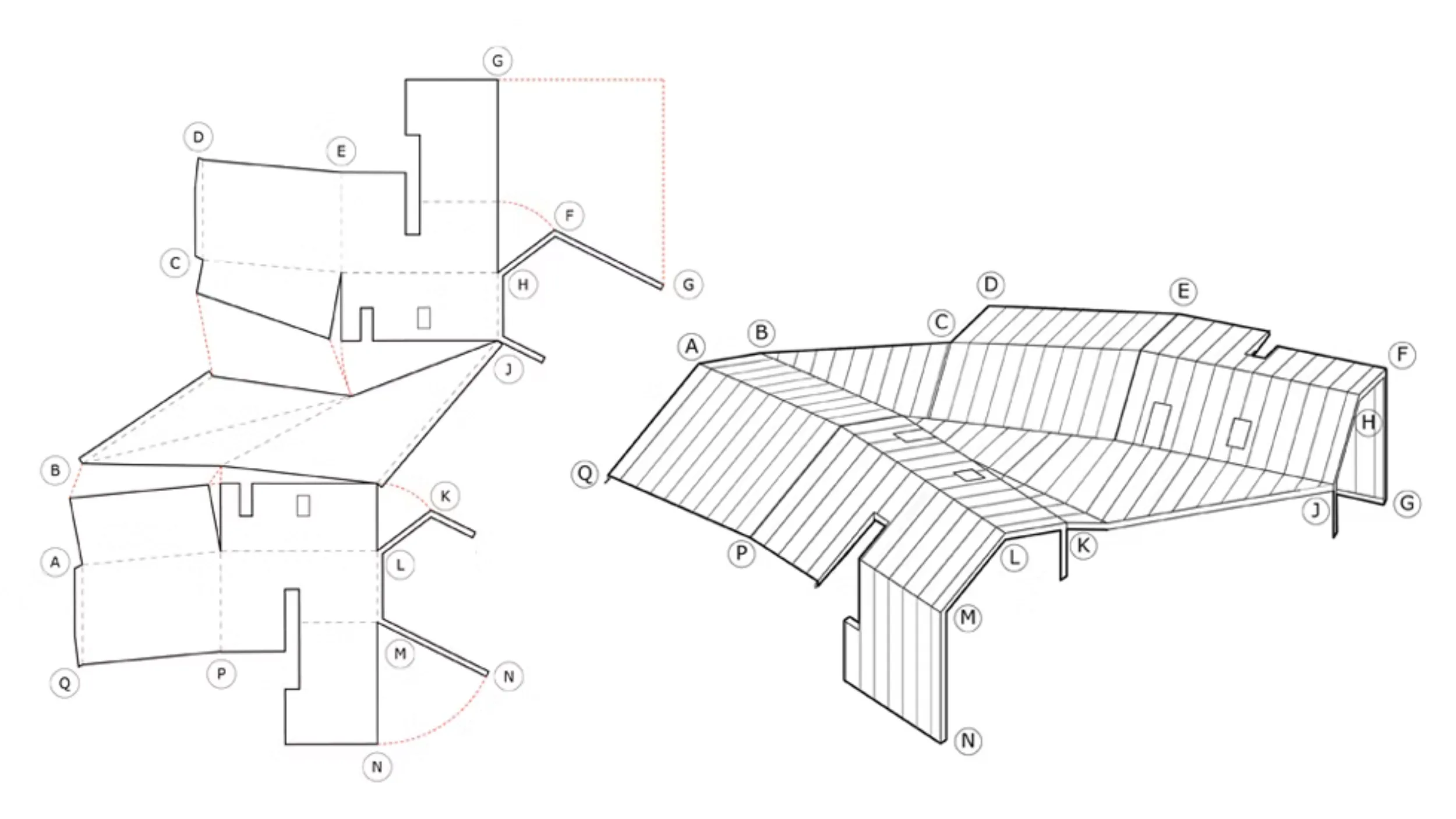
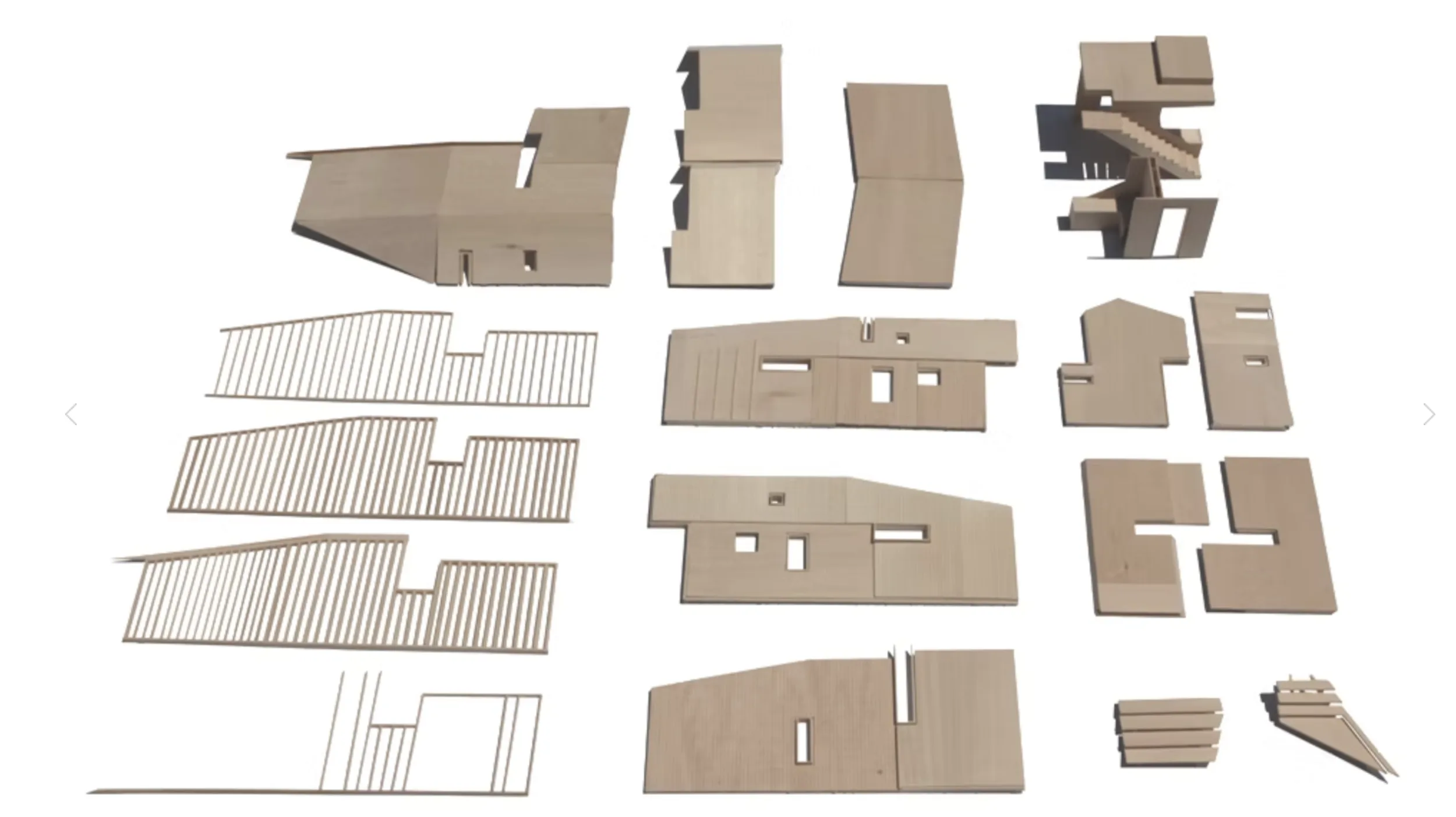
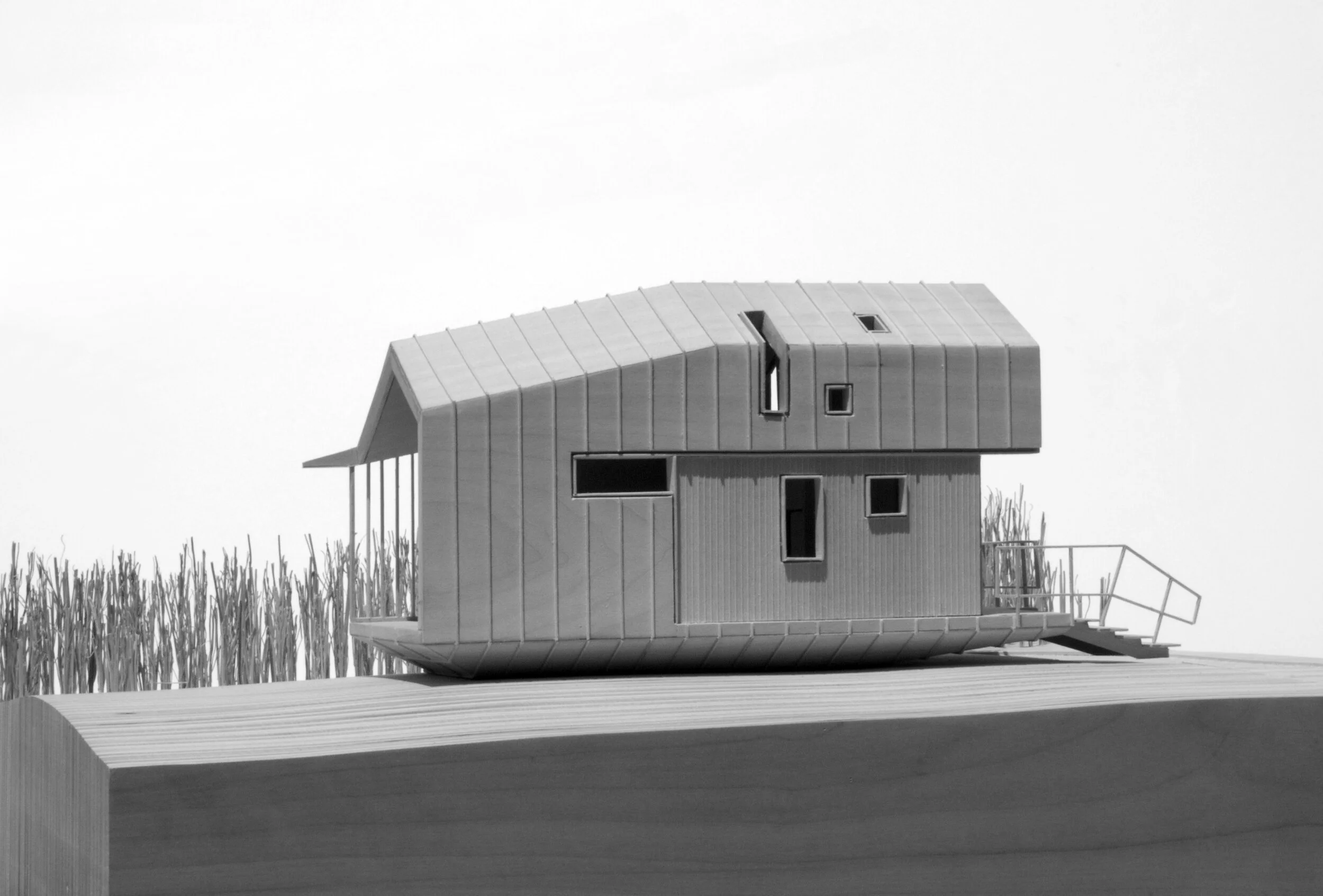
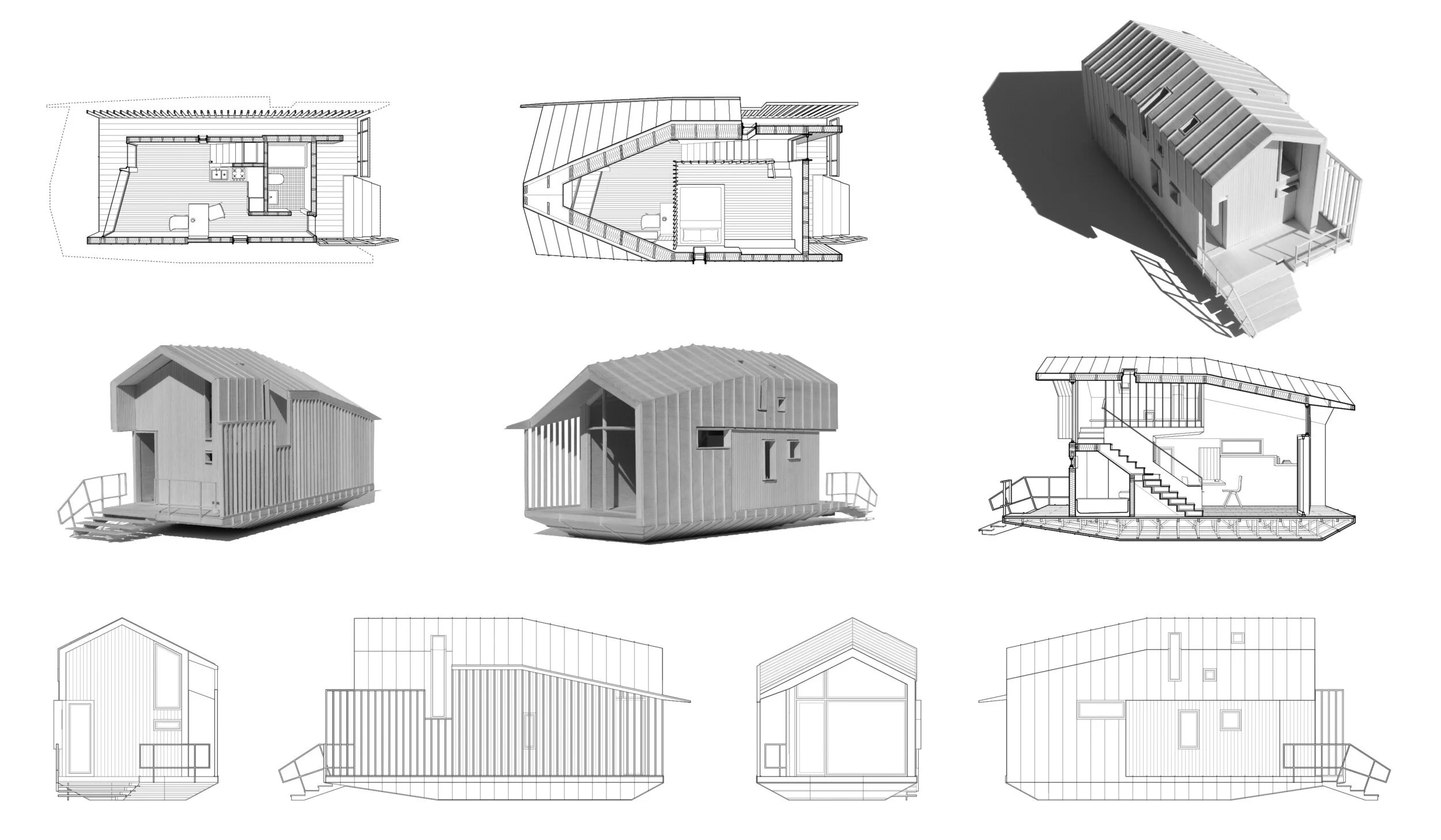
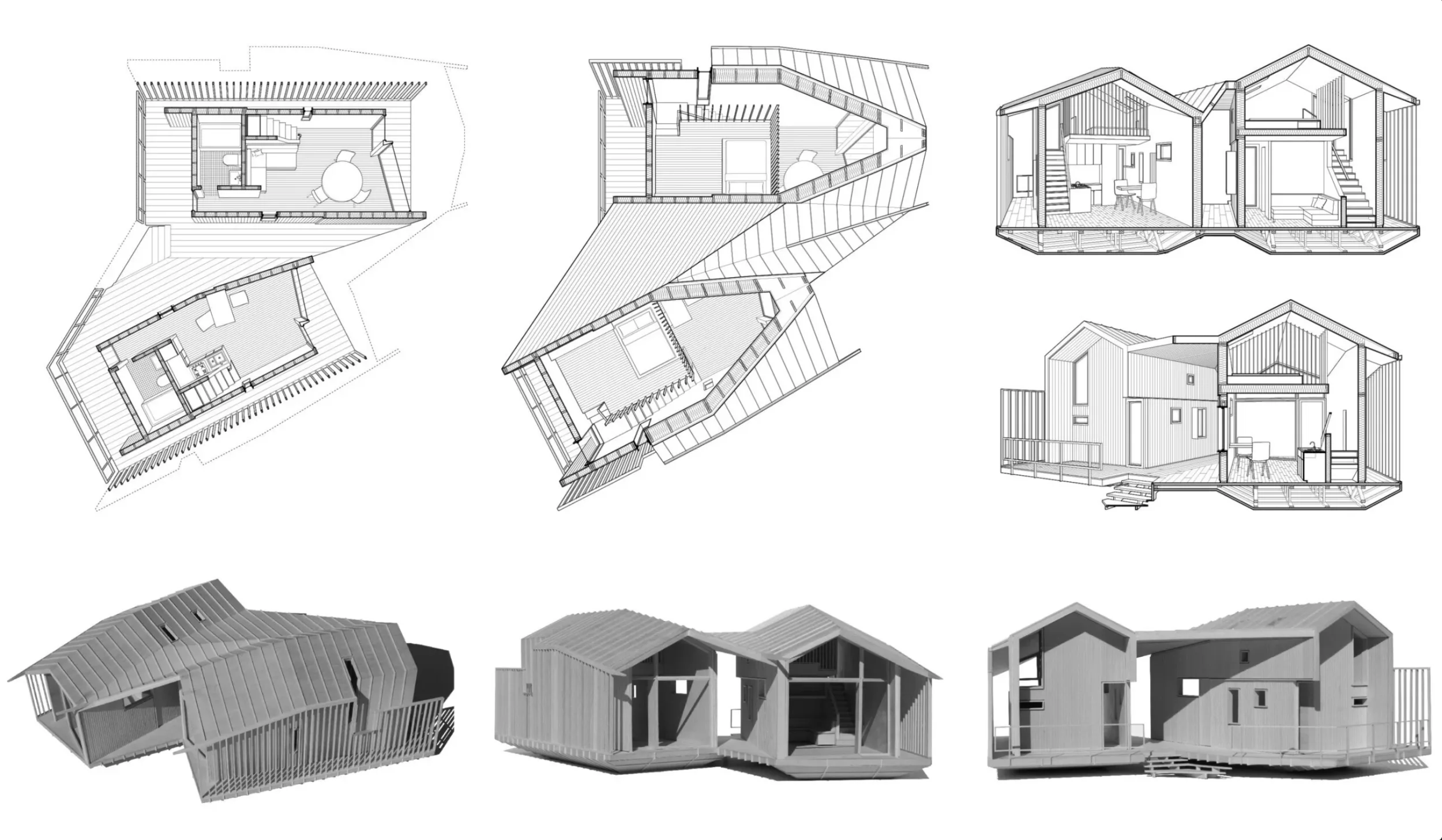
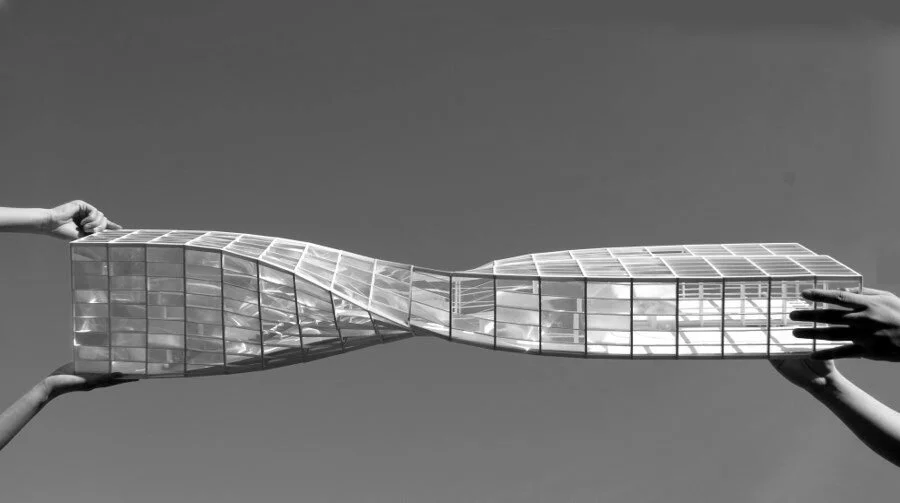
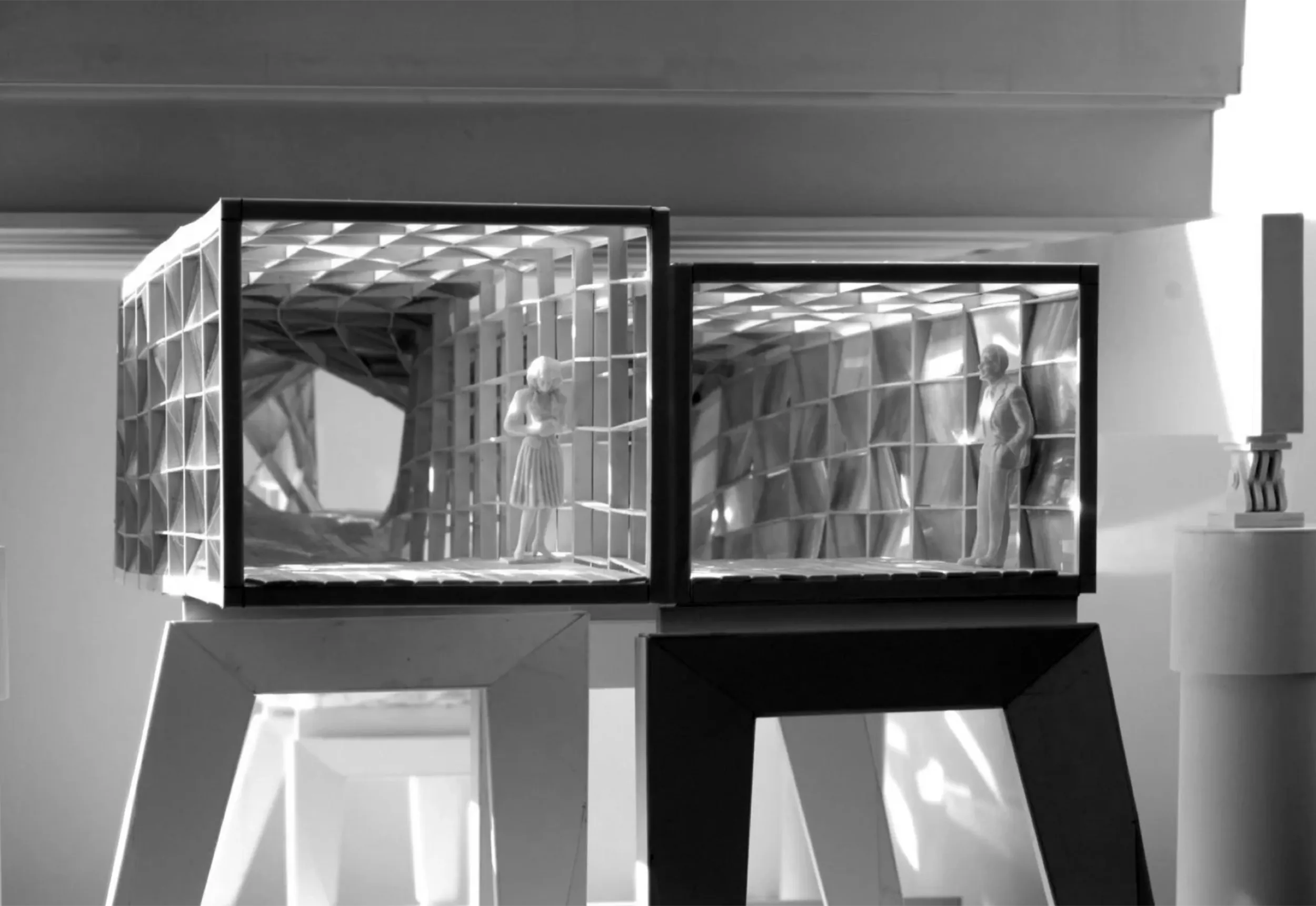
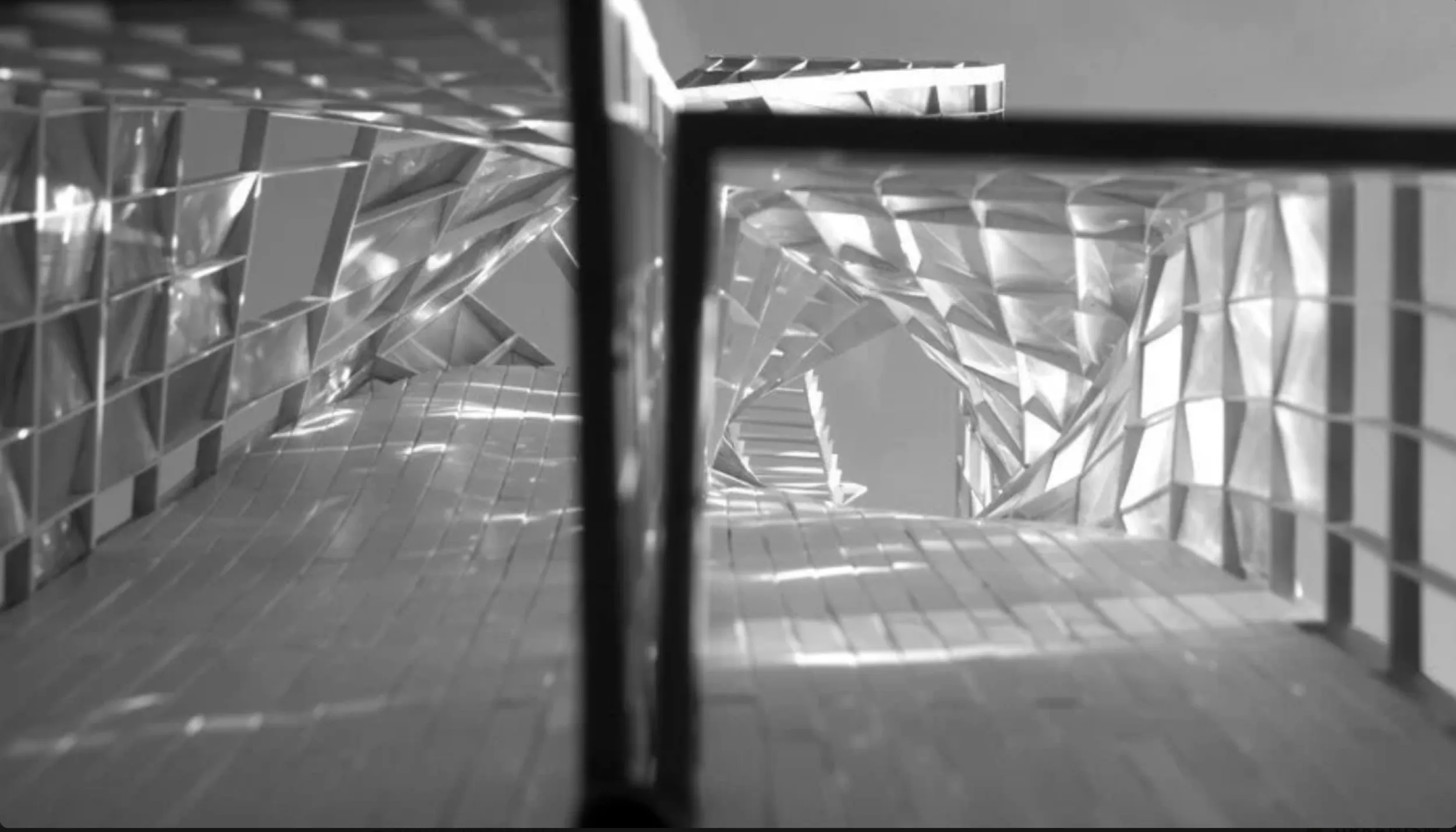
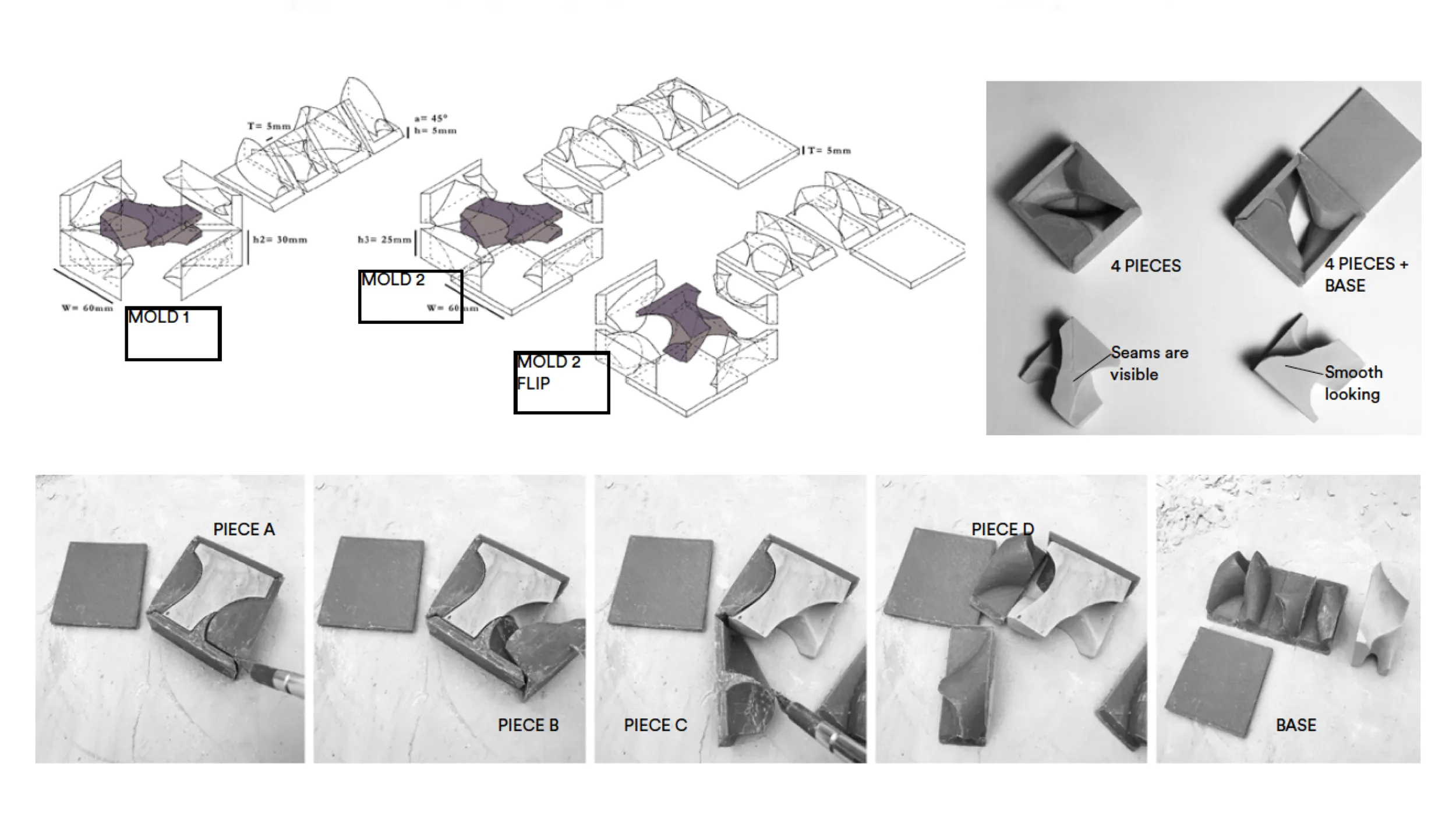
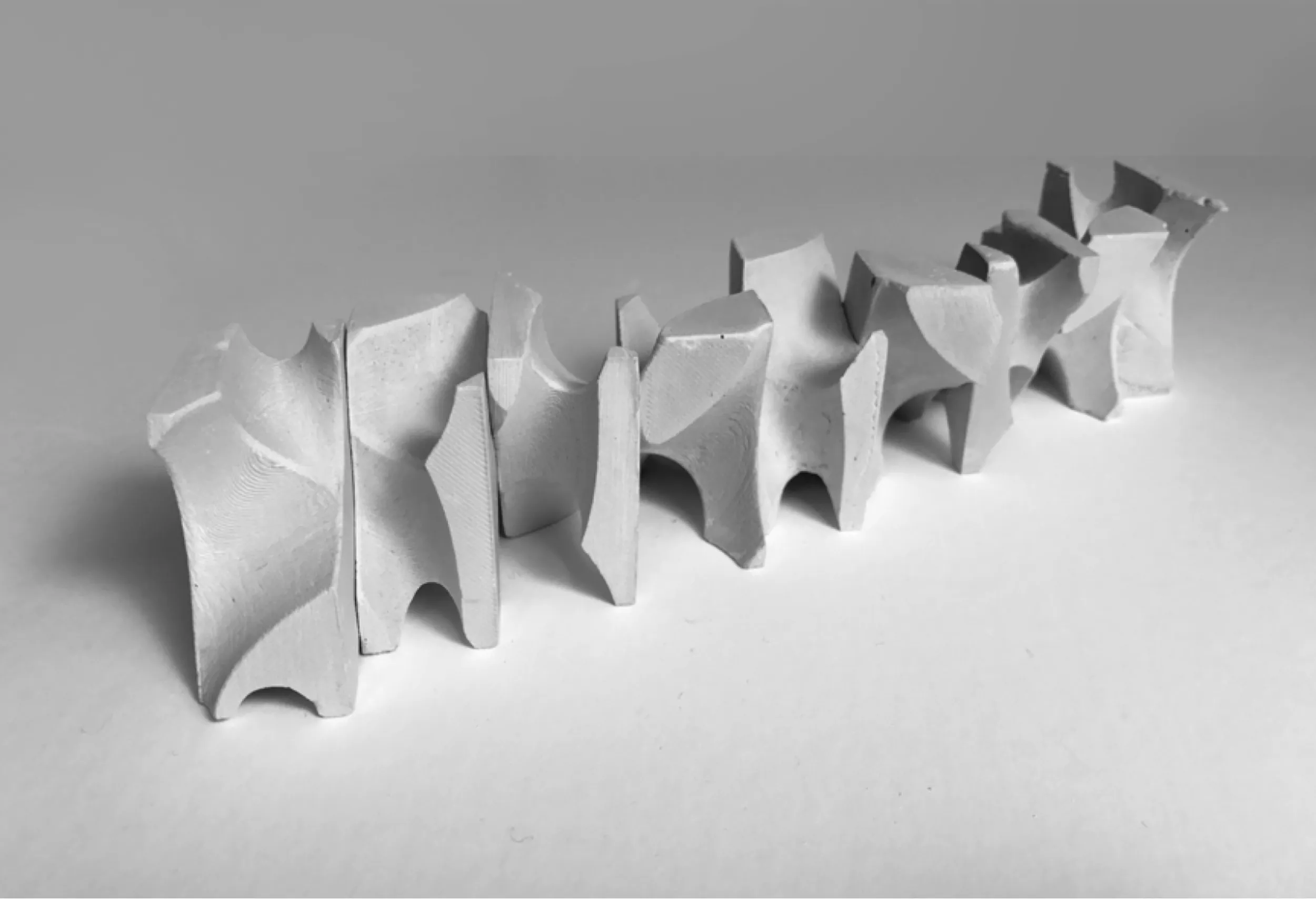
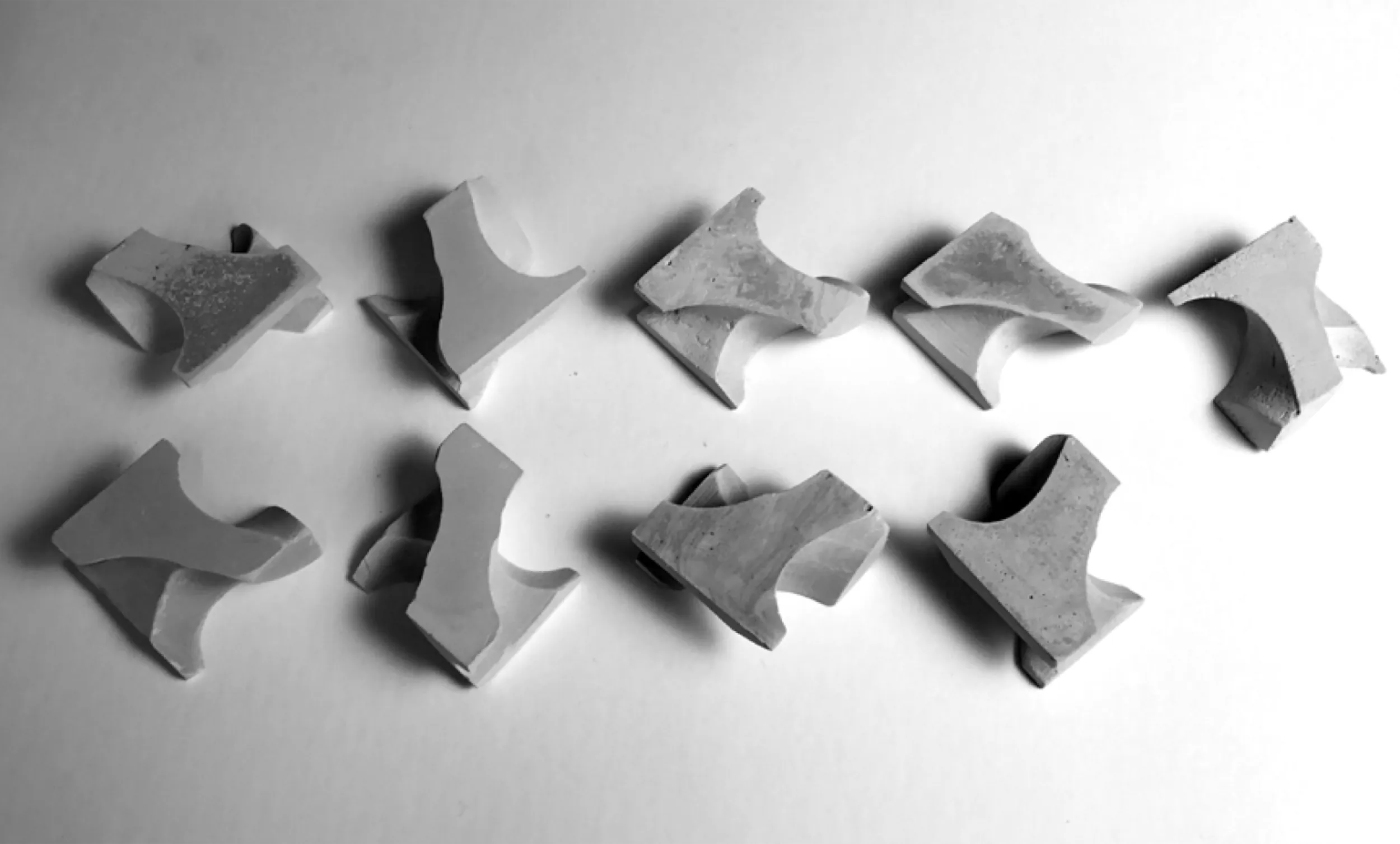
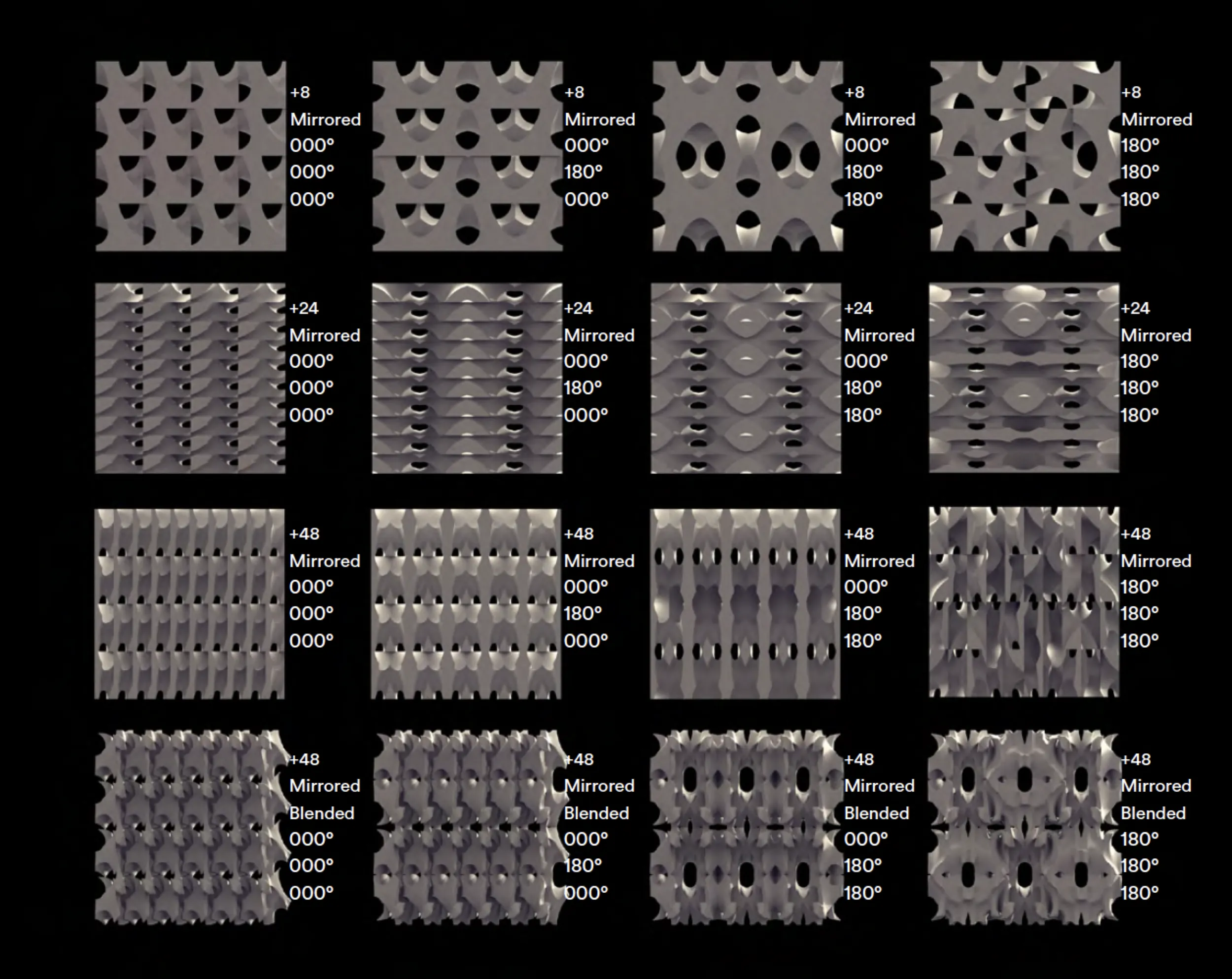
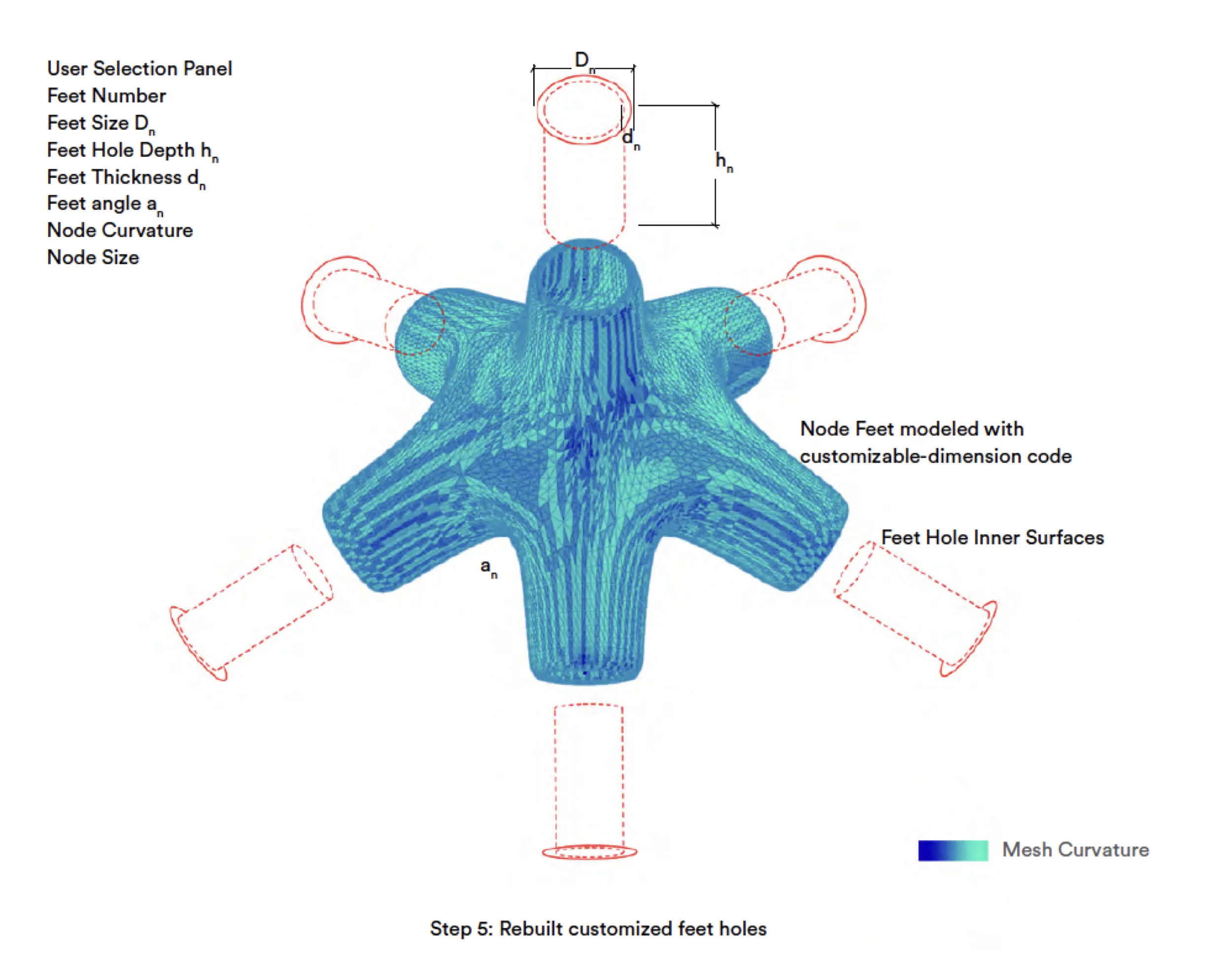
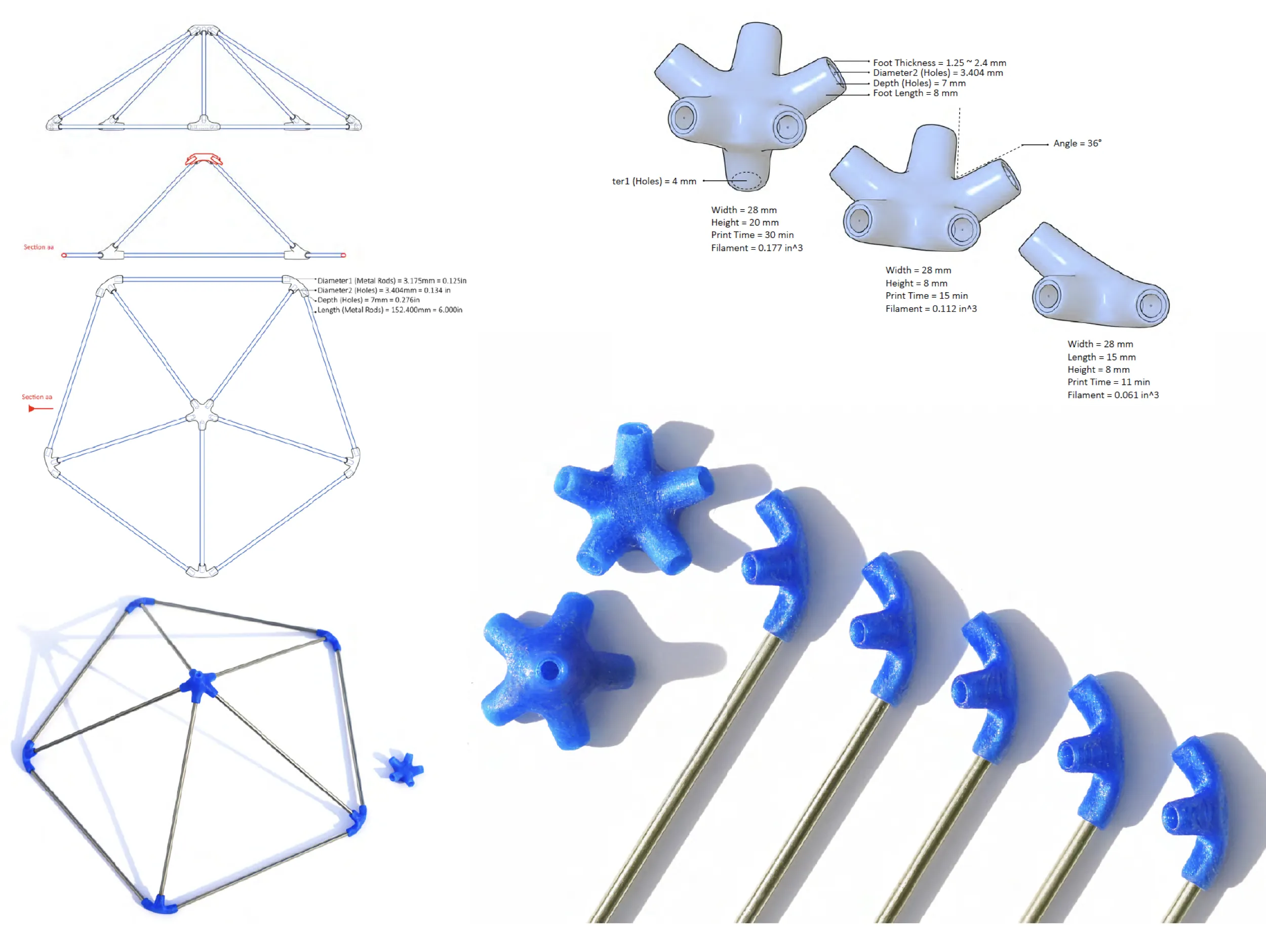
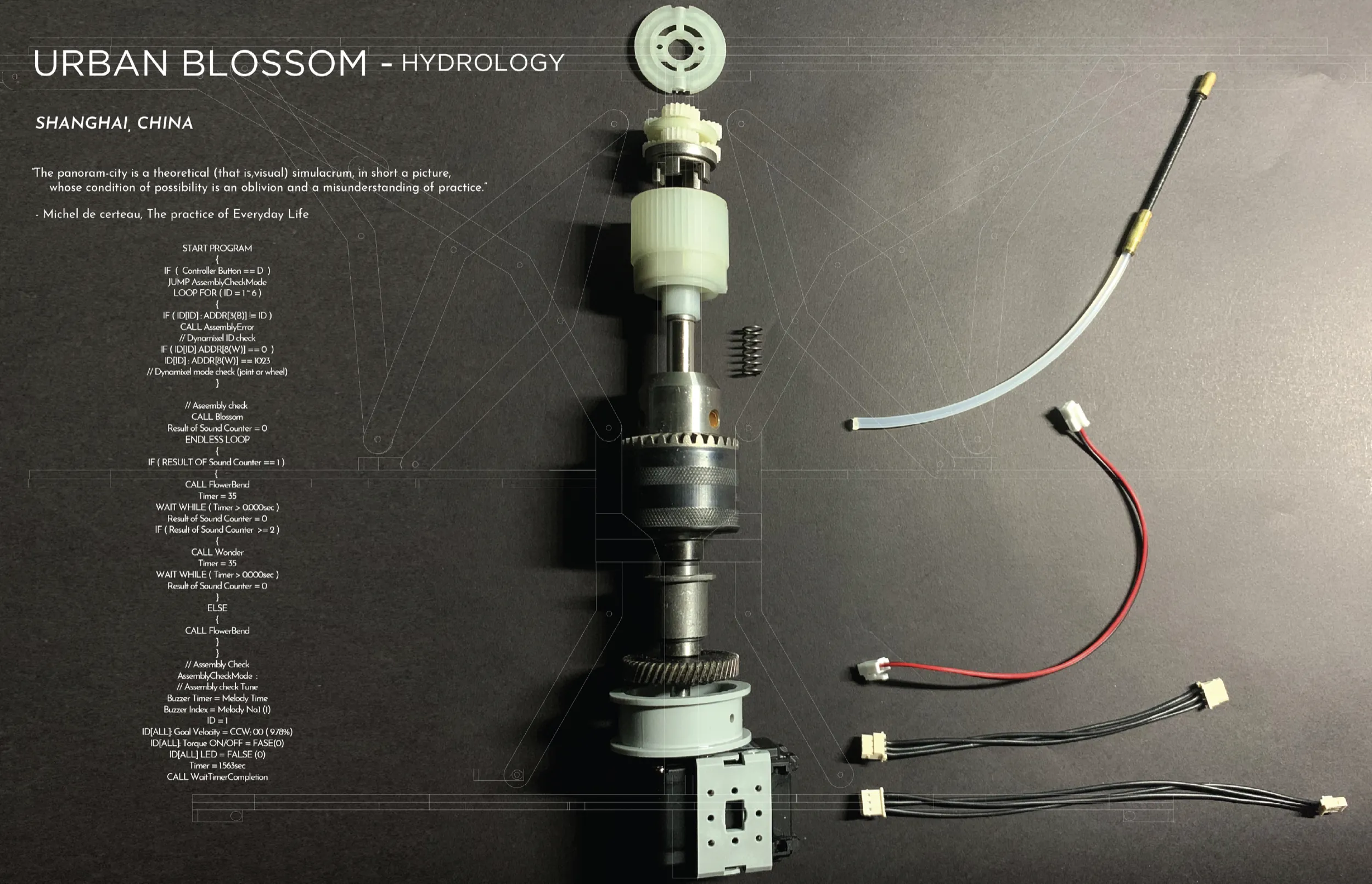
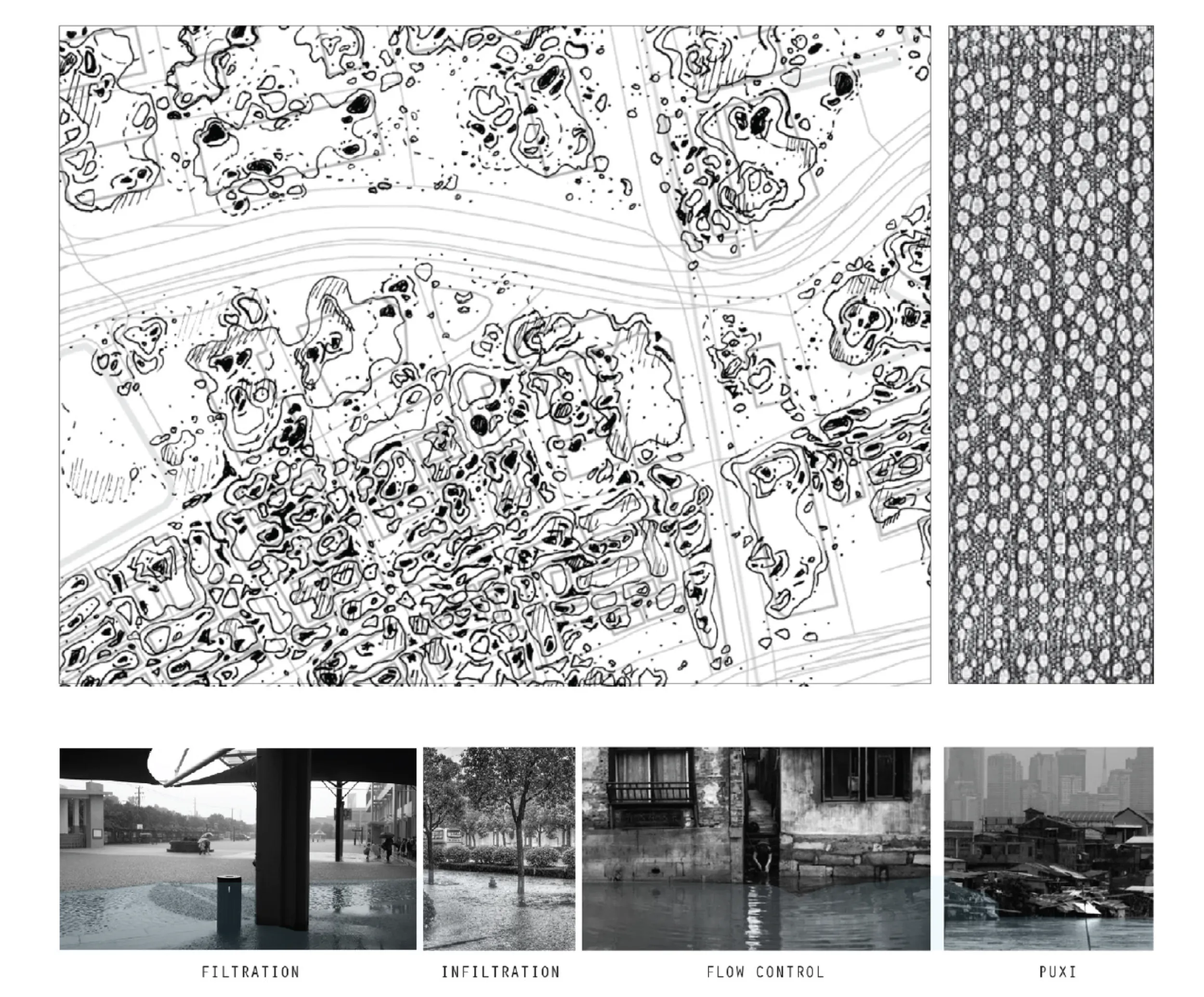
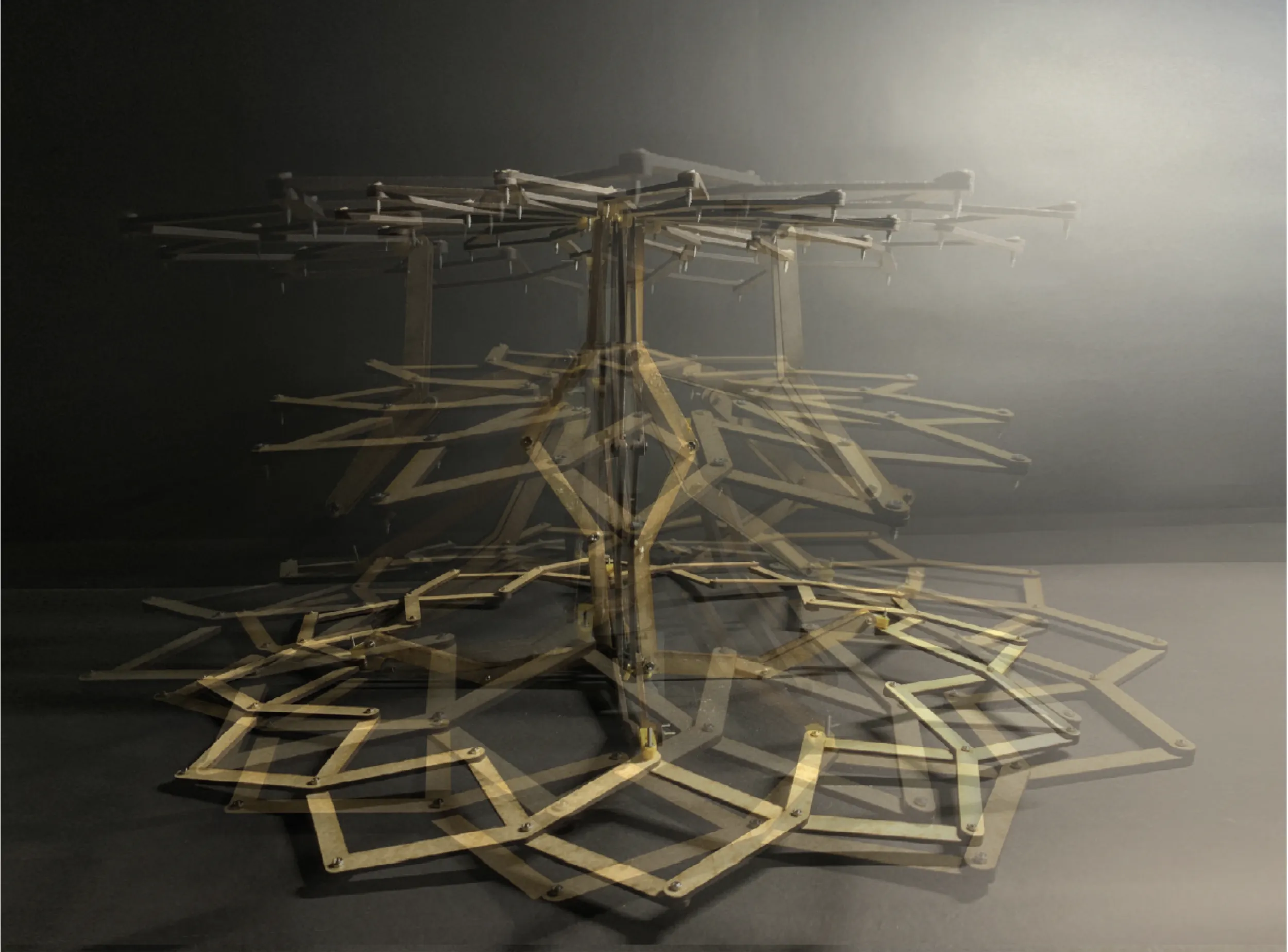
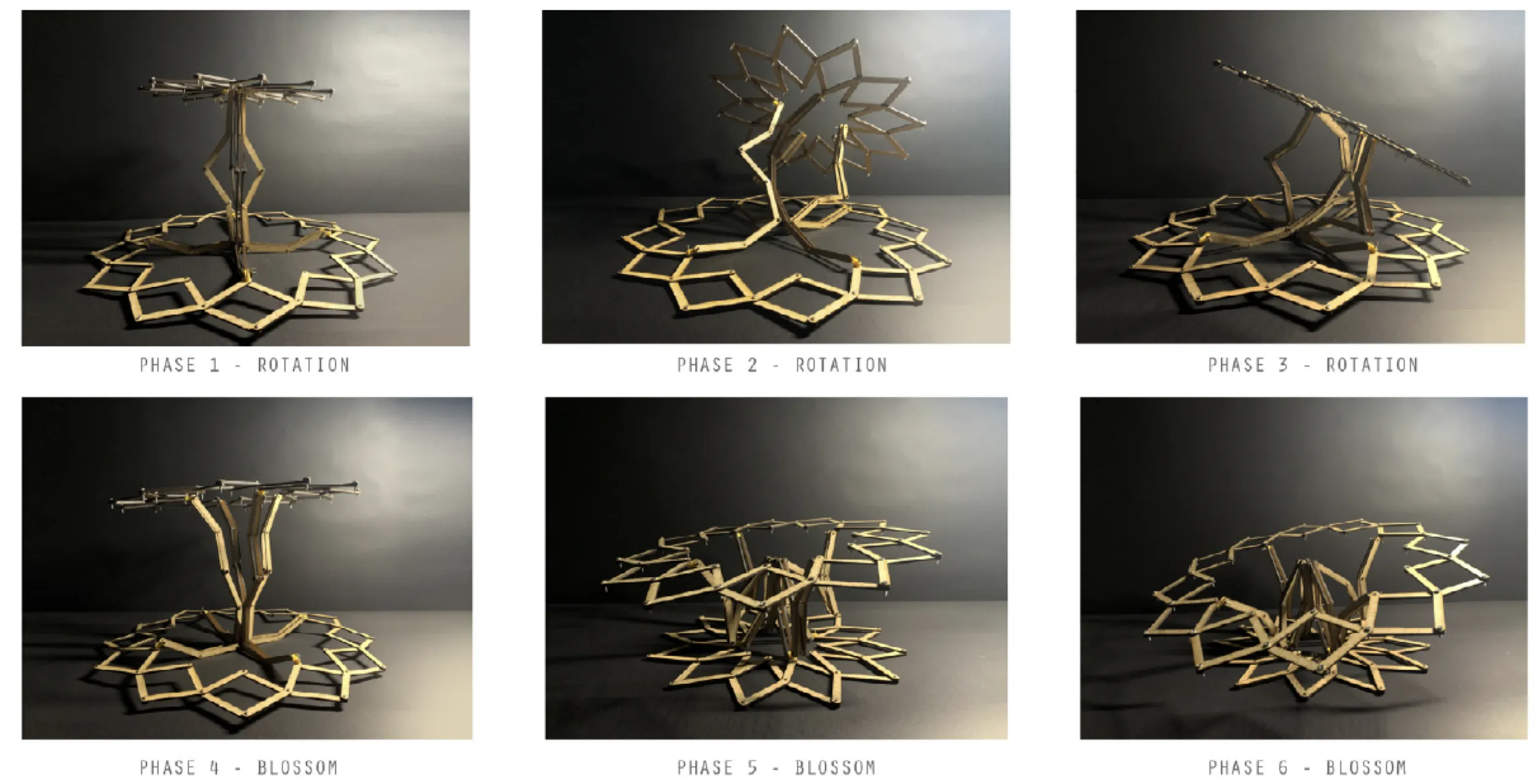
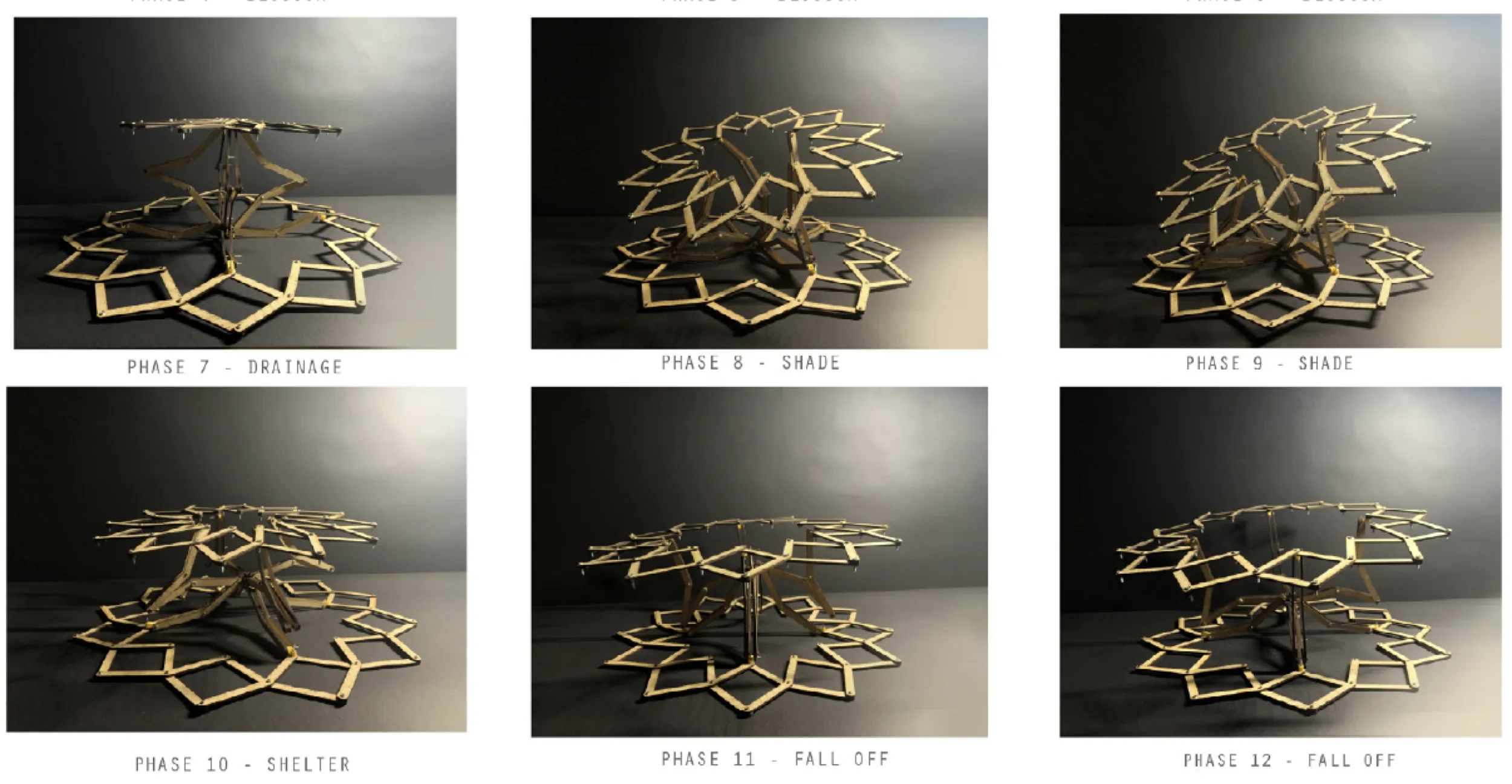
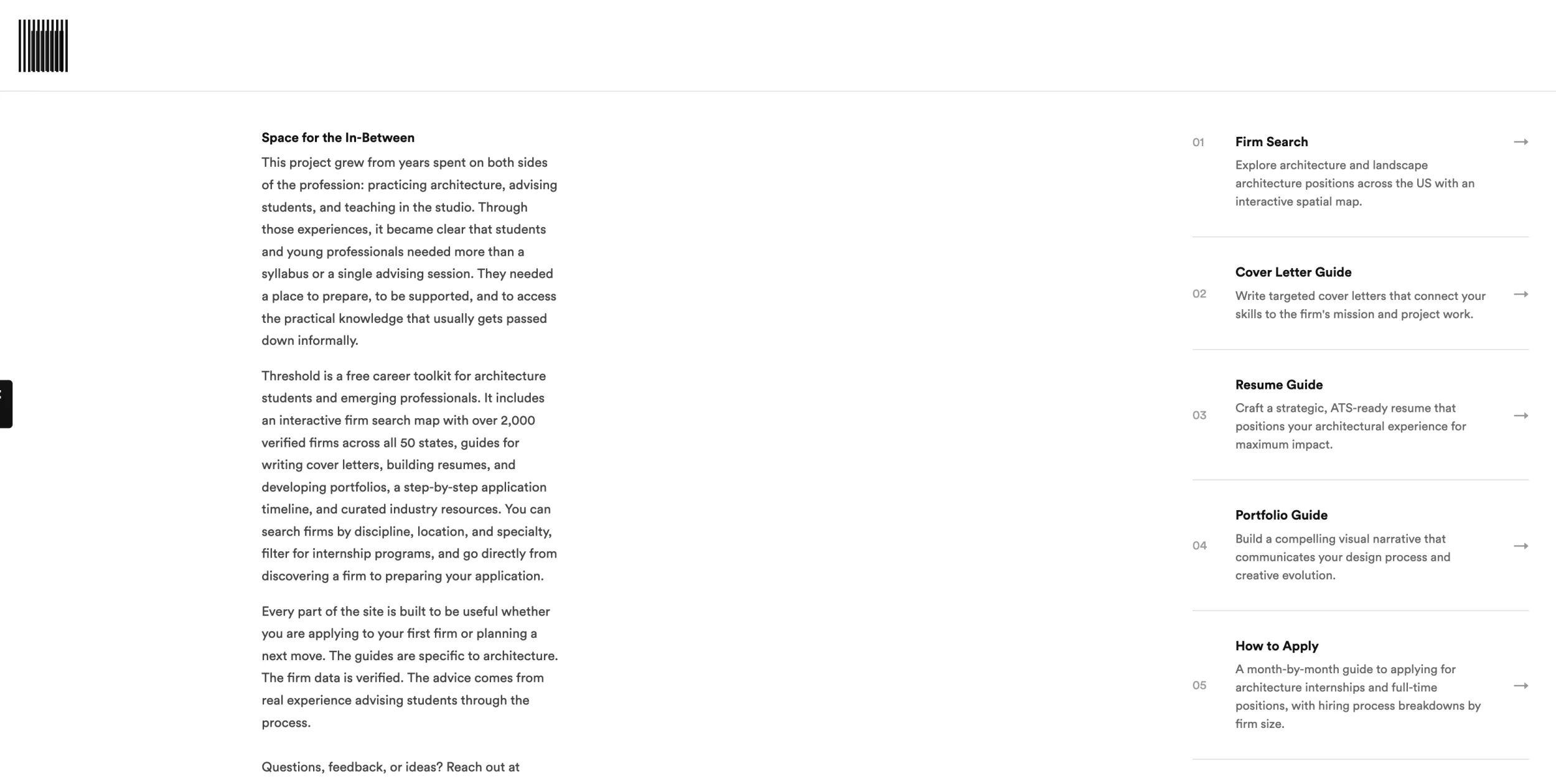
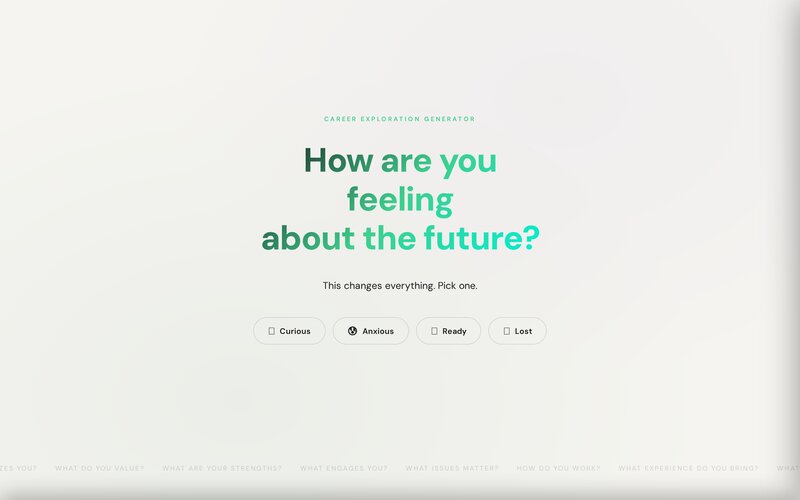
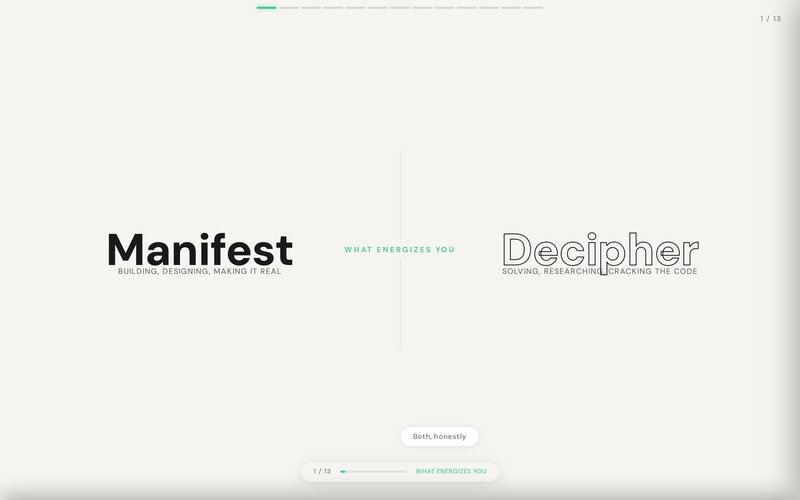
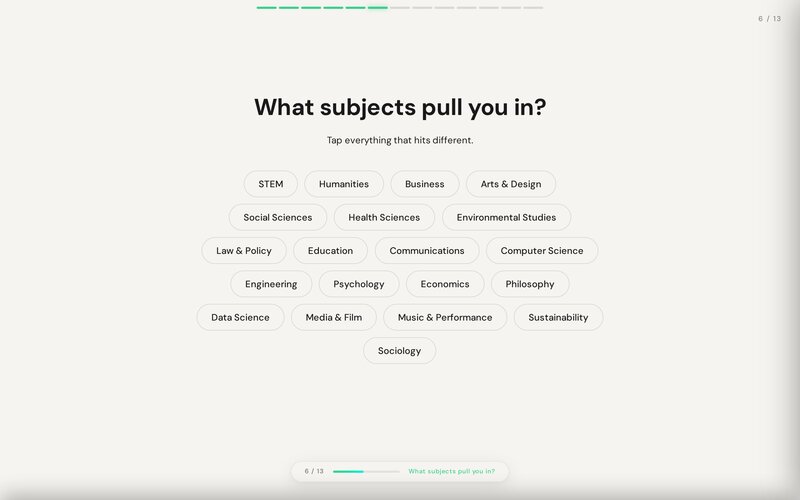
Design thinking and making are inseparable, and prototyping is the practice that binds them. My work moves between courses, workshops, and tools that put human-centered design into teaching practice: I prototype across digital, physical, and conversational materials, from architectural models to AI-supported tools, and I teach students to prototype the same way.
Prototyping is not only a way to make artifacts. It is also a way to think, to teach, to learn. Every course I teach, every platform I build, every tool I prototype starts from the same question: how do we build environments where people develop judgment by doing? The work draws on the embodied-cognition tradition as much as on design practice itself, taking seriously the claim that abstract thought emerges from physical experience and material manipulation.
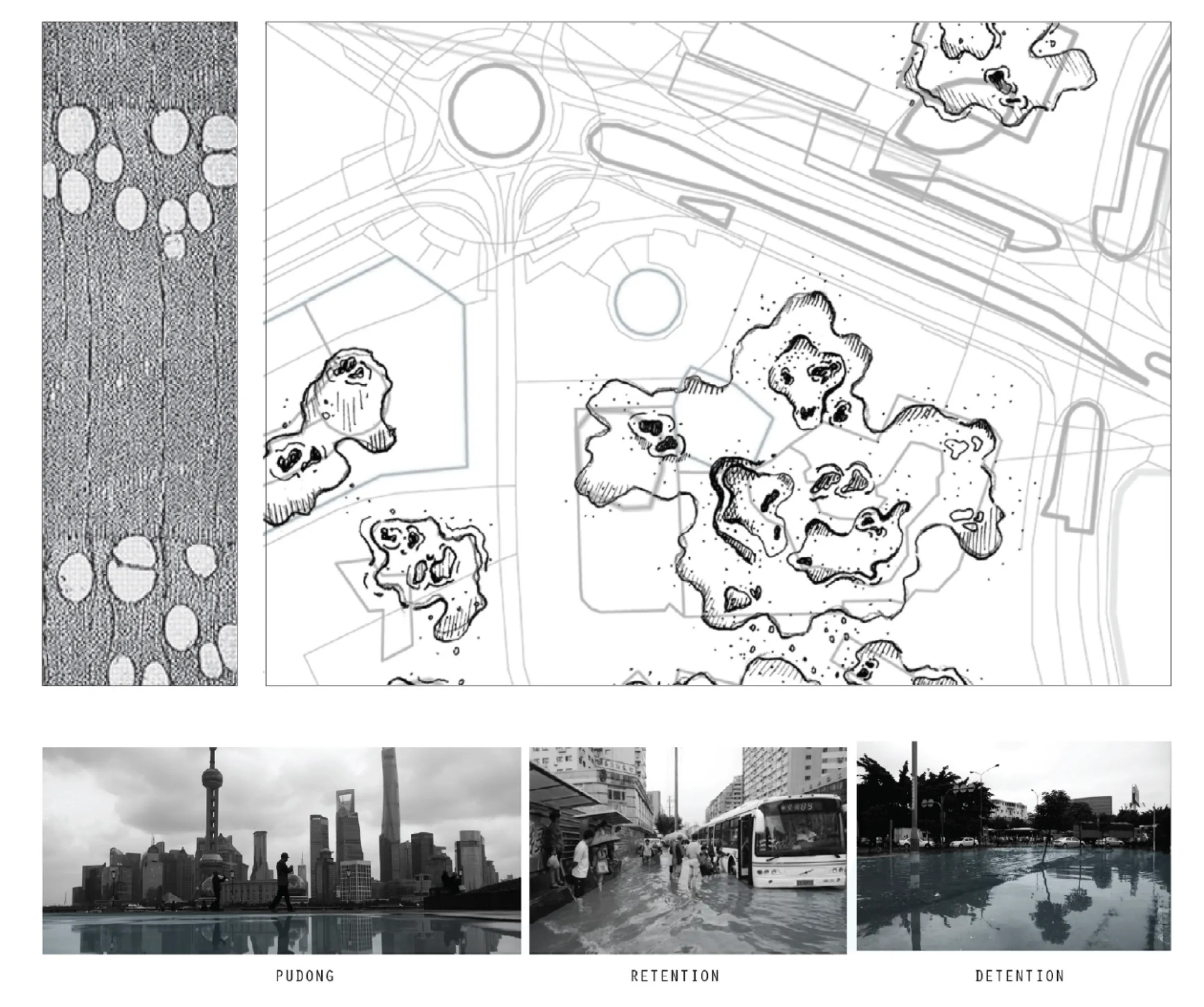
Trained as an architect at RISD (M.Arch, 2010), I think the studio's methods (sketch, model, critique, revise) work as a pedagogy beyond architecture itself. The studio teaches that ideas must be tested by being made, and that the third draft is almost always better than the first. These habits translate across design engineering, learning sciences, and emerging technologies.
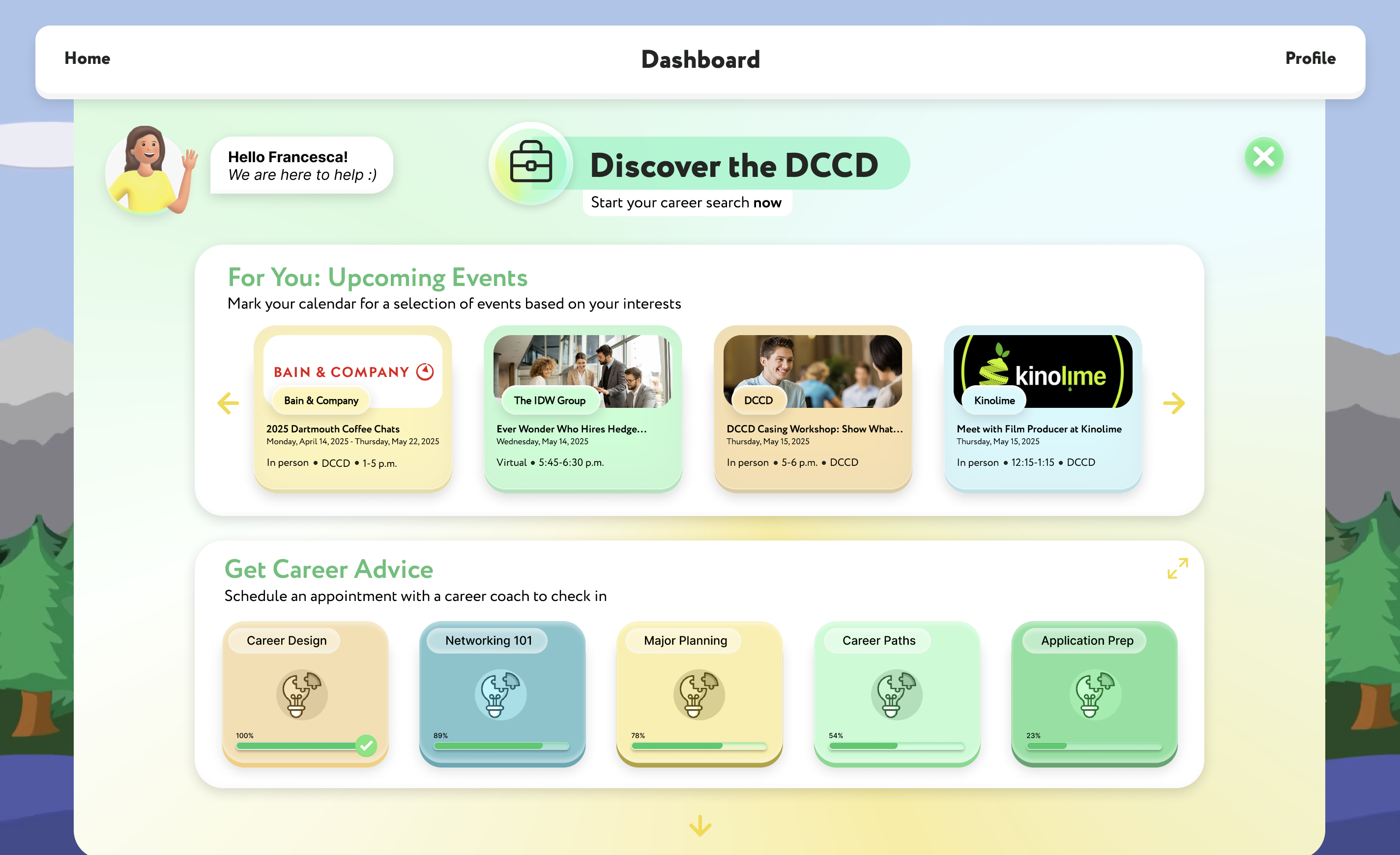
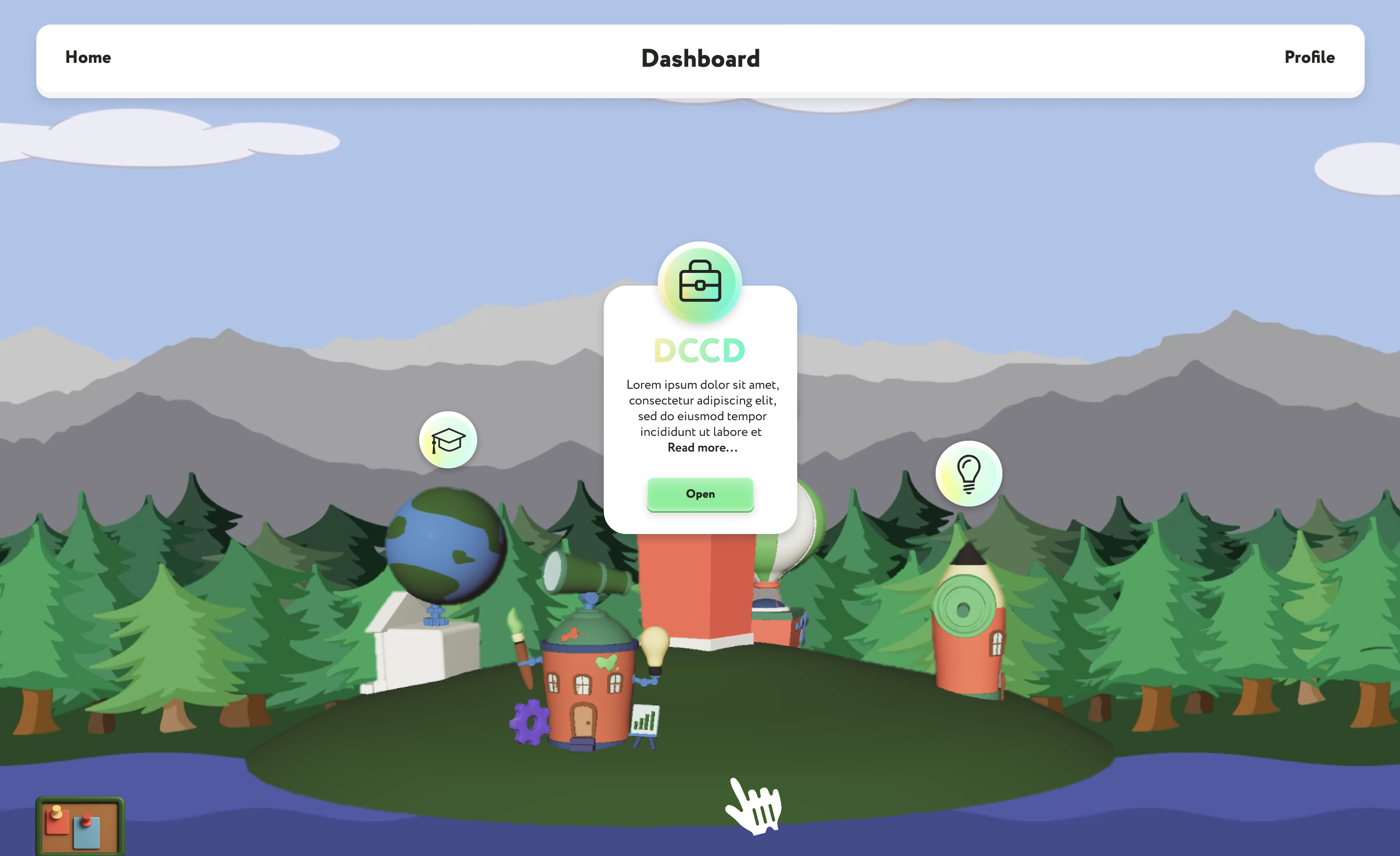
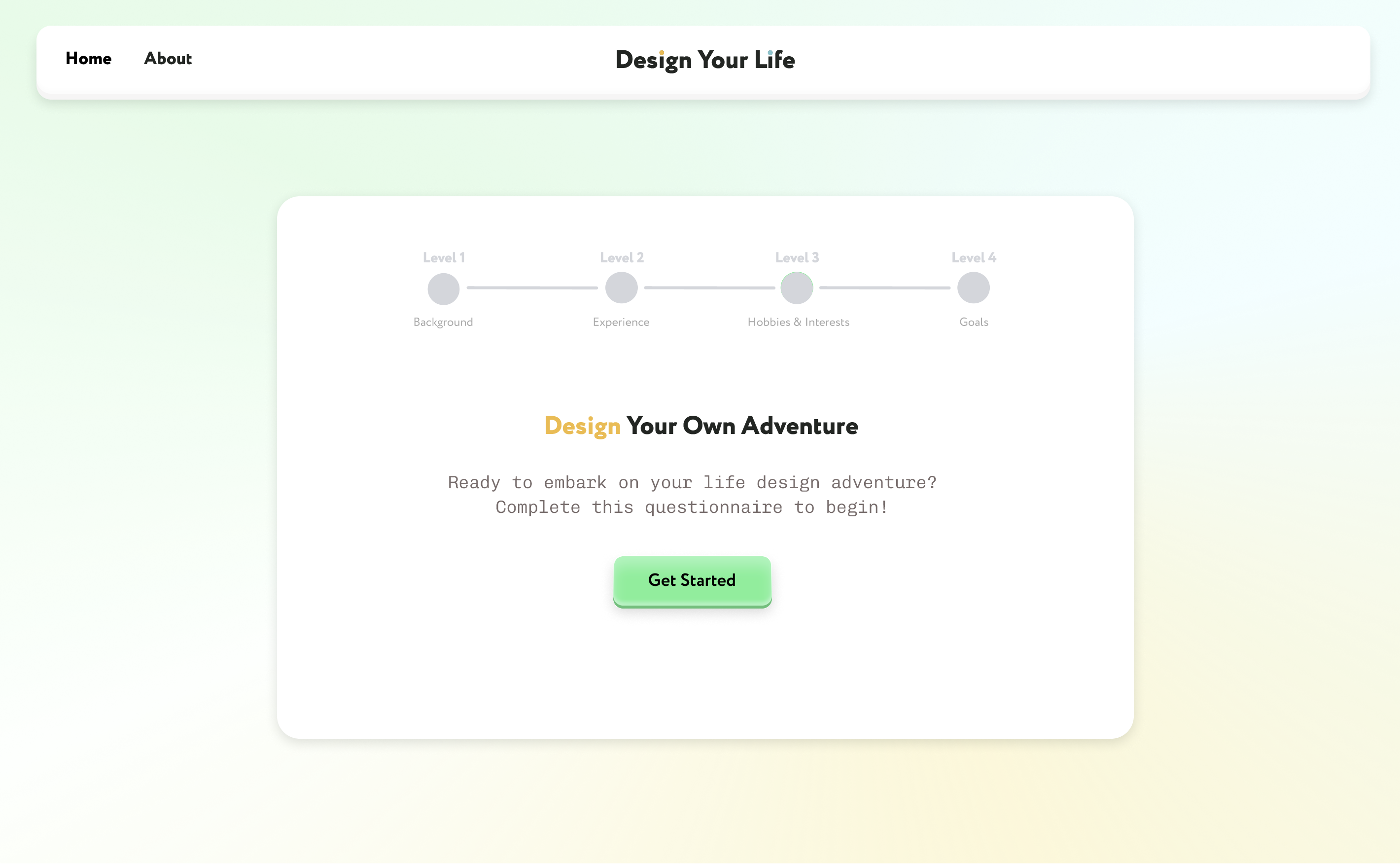
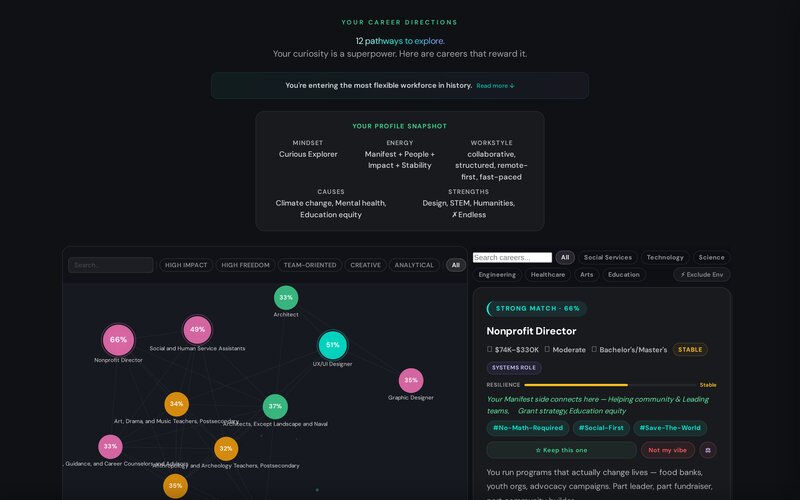
At Dartmouth's Career Design Lab, where I serve as Program Manager, I co-design programs and tools with faculty, students, and campus partners. With the DALI Lab I prototype interactive tools; with Design Corps (a program of DIAD) I developed Modeling Futures, a studio-based curriculum where students think about their careers by building architectural models out of wood, fabric, and string. We build environments for iterative experimentation, treating decision-making itself as a design problem. These prototypes are working reports from Lo/Be Lab, the design-based research practice I founded in 2024 to house design-education research I have been developing across teaching, consulting, and program-design work since 2019. Much of this work treats generative AI as a design material, asking how it can extend student authorship rather than substitute for it.
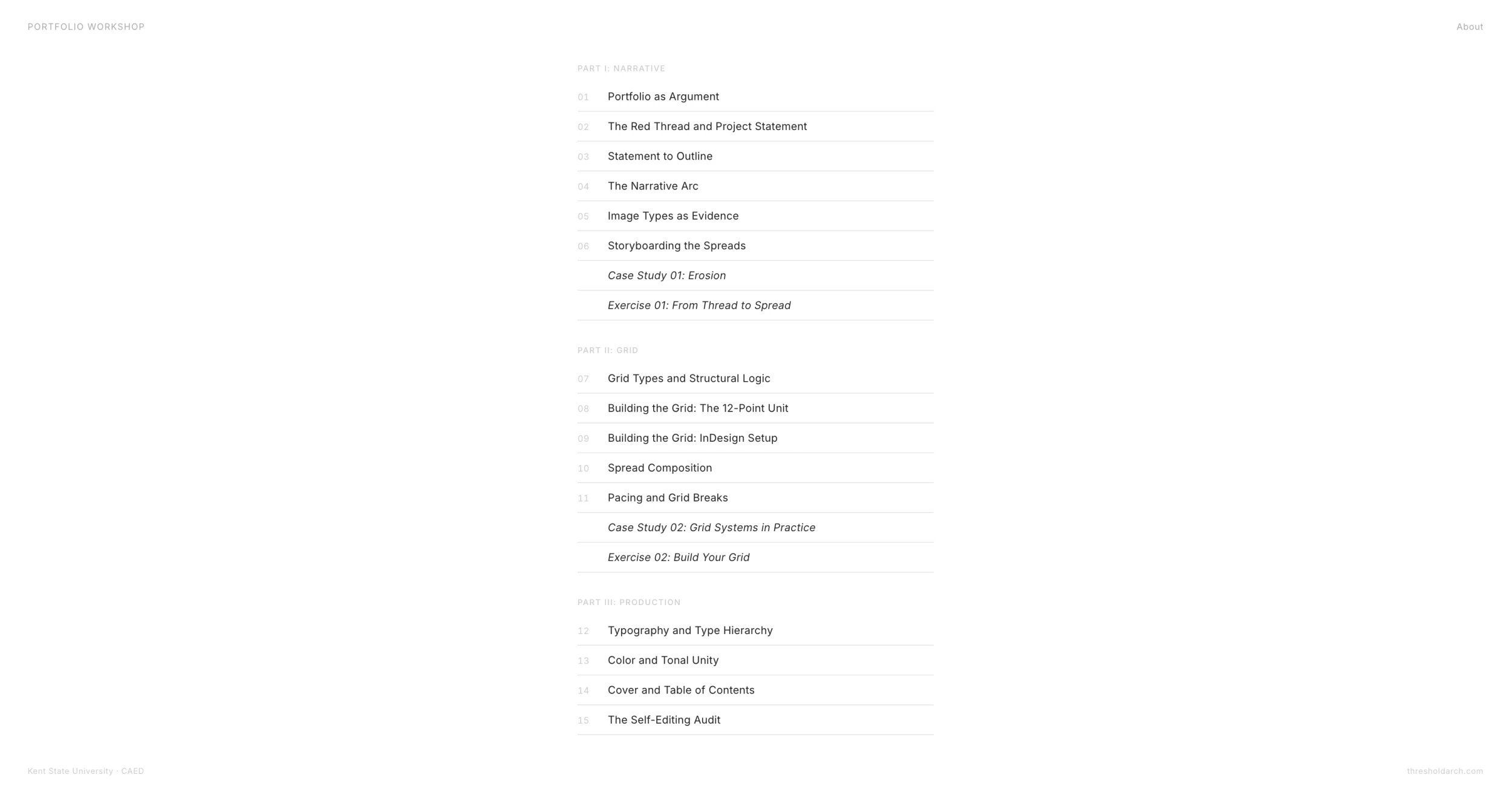
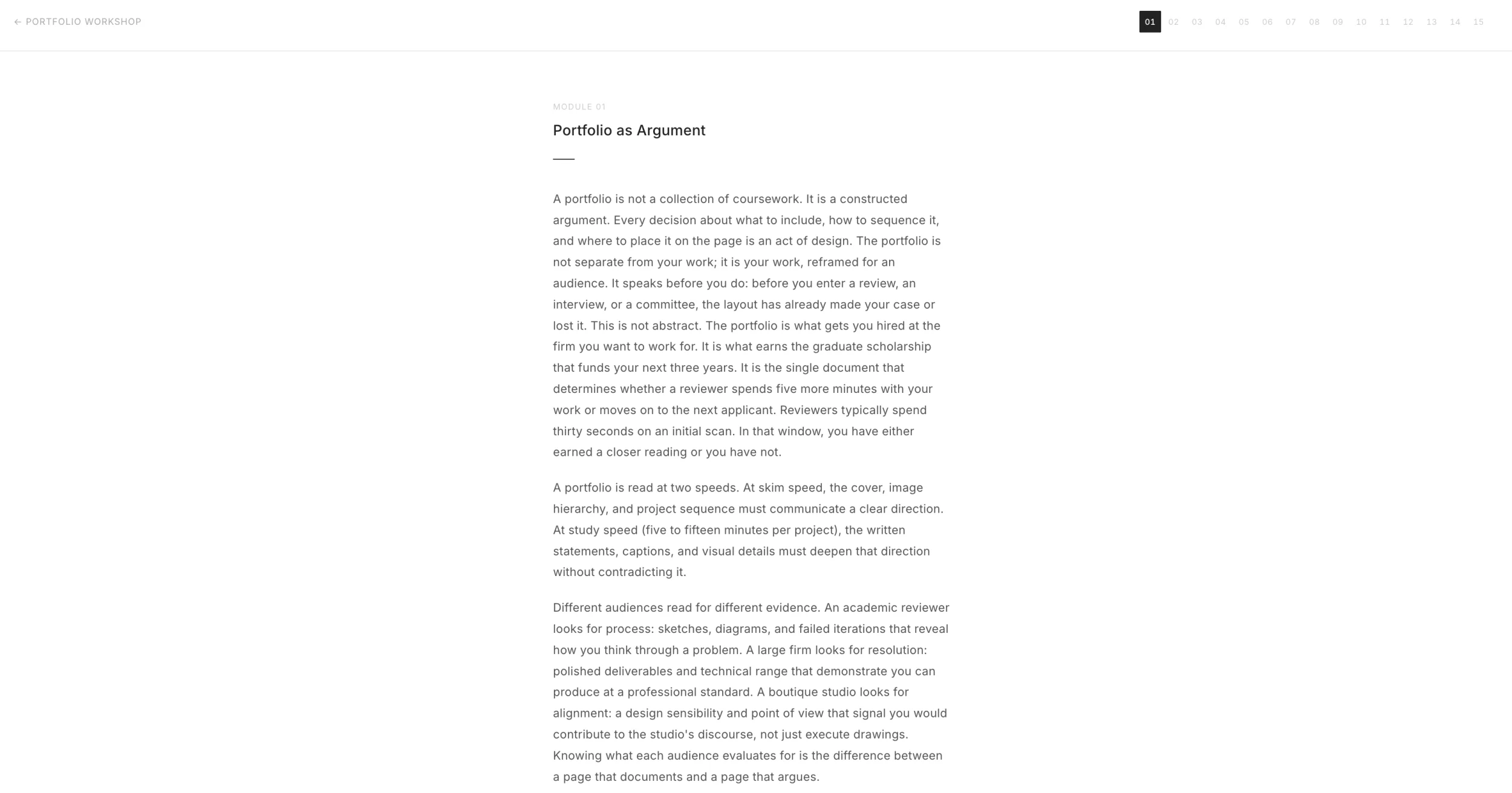
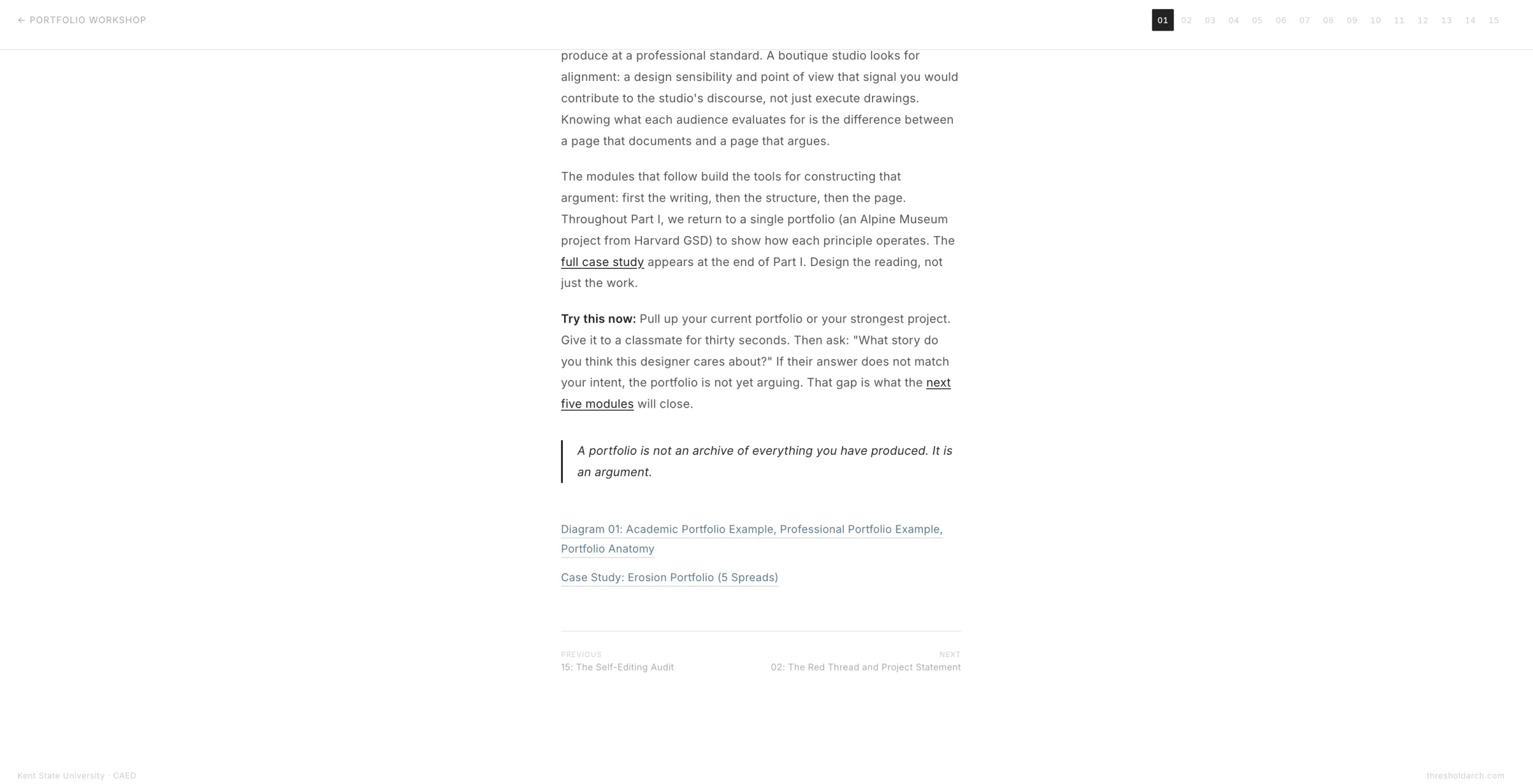
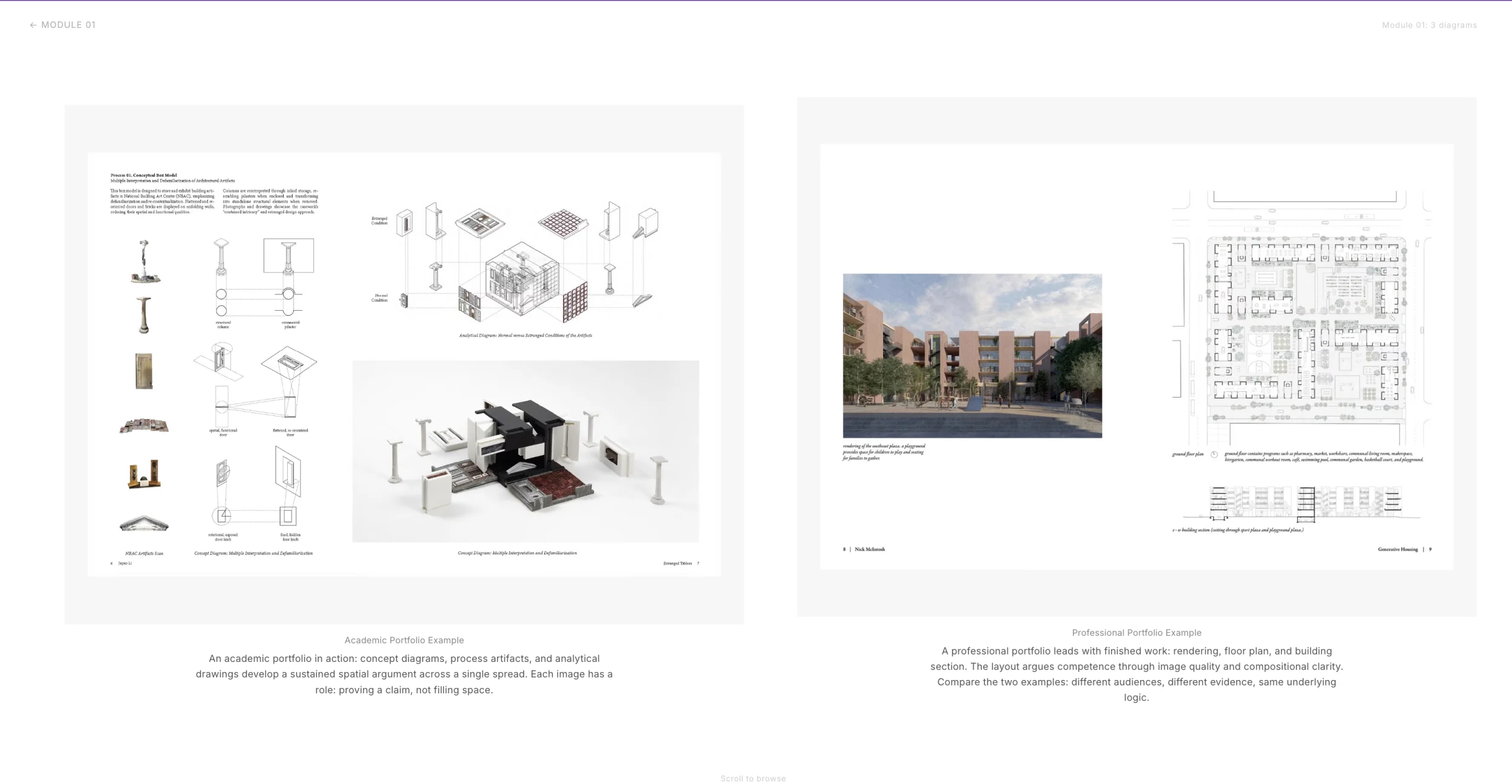
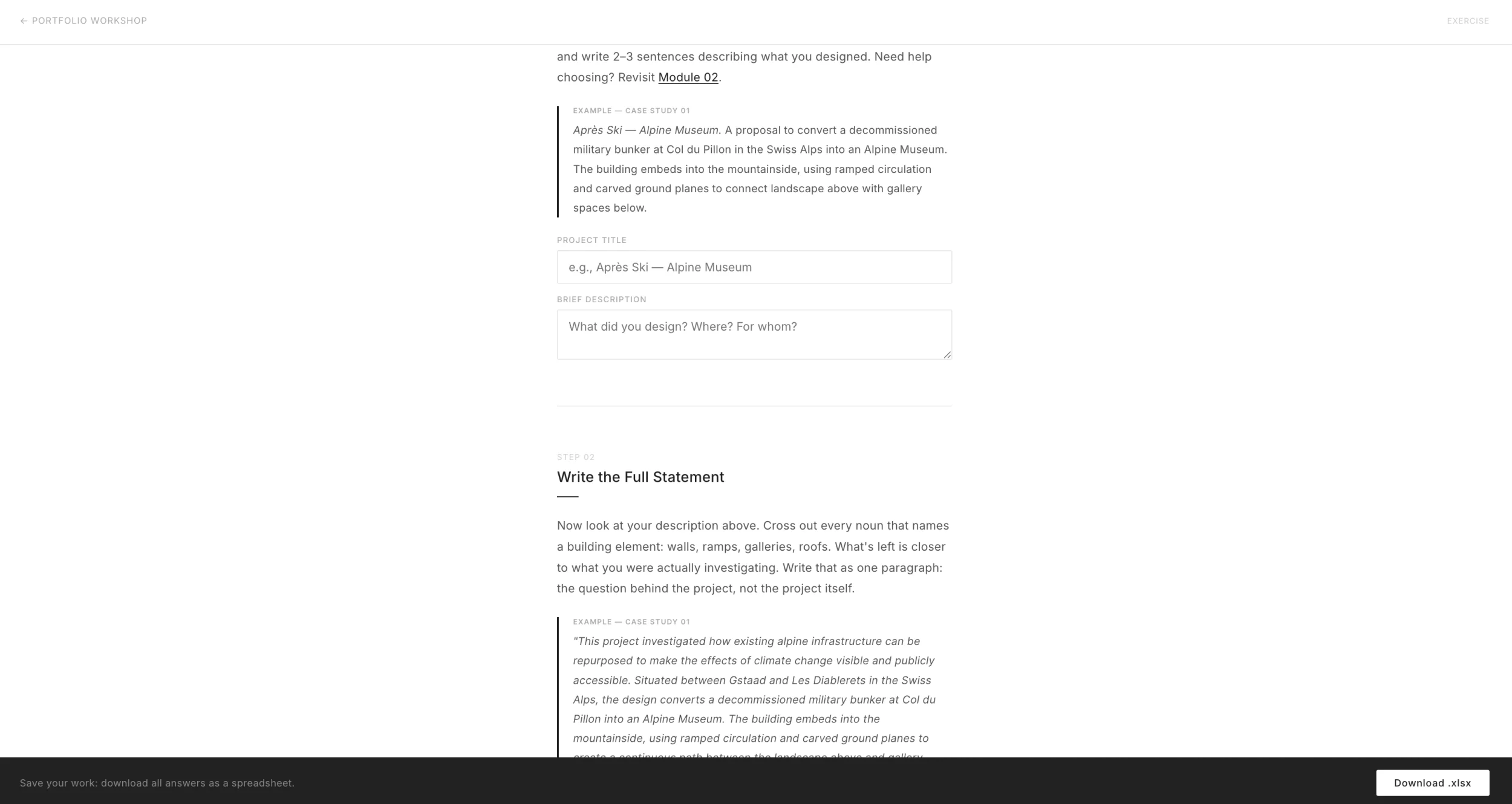
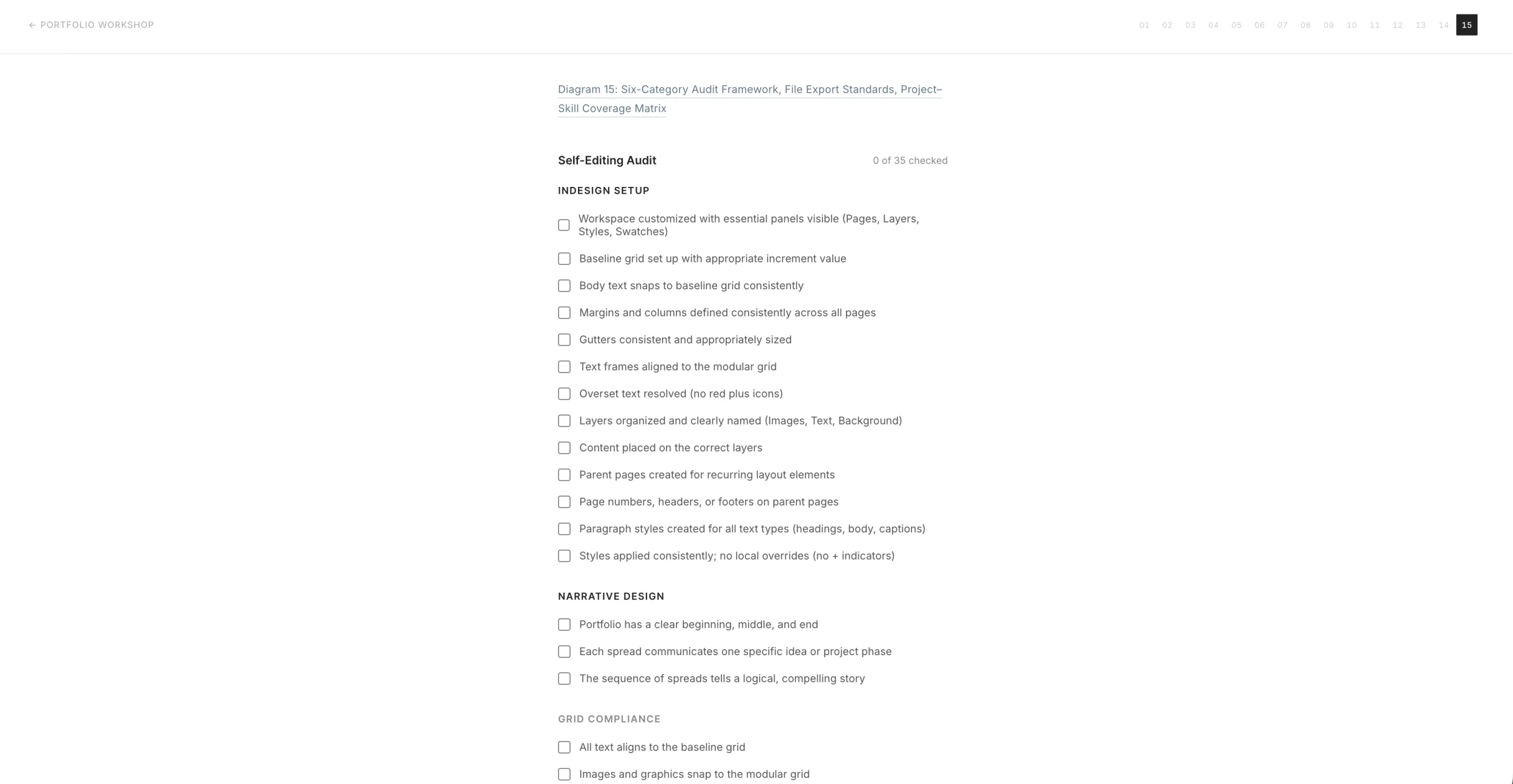
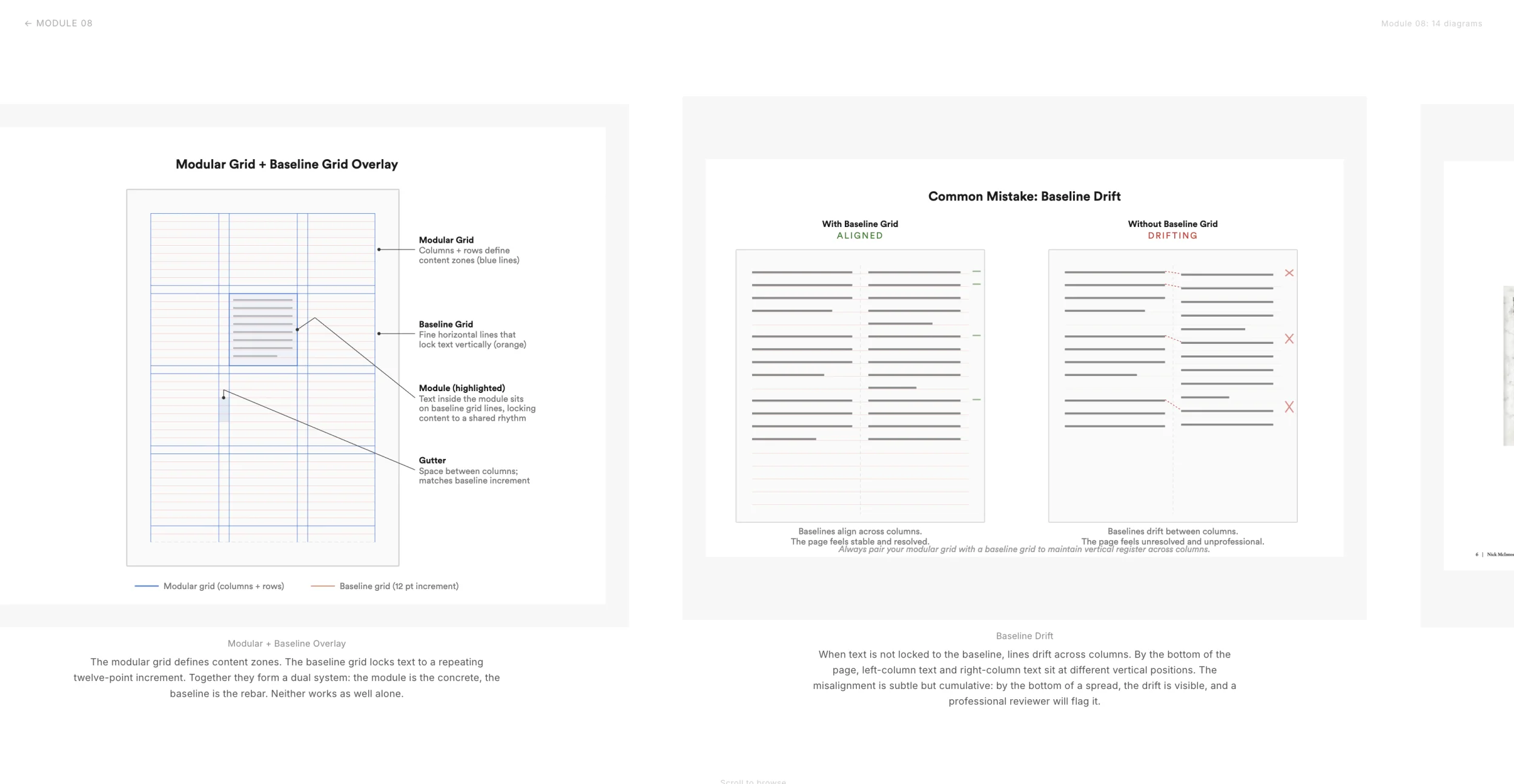
At Kent State's College of Architecture and Environmental Design, where I serve as Adjunct Faculty, I teach architectural storytelling through portfolio development. The course treats the portfolio as an unfolding argument: students develop a position, refine their voice, and build the visual literacy to communicate it. This teaching happens in studios and workshops, alongside students as they make.
Students learn to make by making, and to think by iterating.